ALPHABET GENERATED. The phrase appears as a disclosure label, plain enough to pass unnoticed. We have learned to look for such labels when an image, voice, or sentence might have been made with artificial intelligence. The label interrupts the illusion of seamlessness. It asks us to remember that a medium is present.
But why disclose the machine and not the alphabet? Why identify the newest technology while the older one remains invisible? The alphabet is so thoroughly inside our habits of thought that it no longer presents itself as an interface. It feels like thought itself.
I made
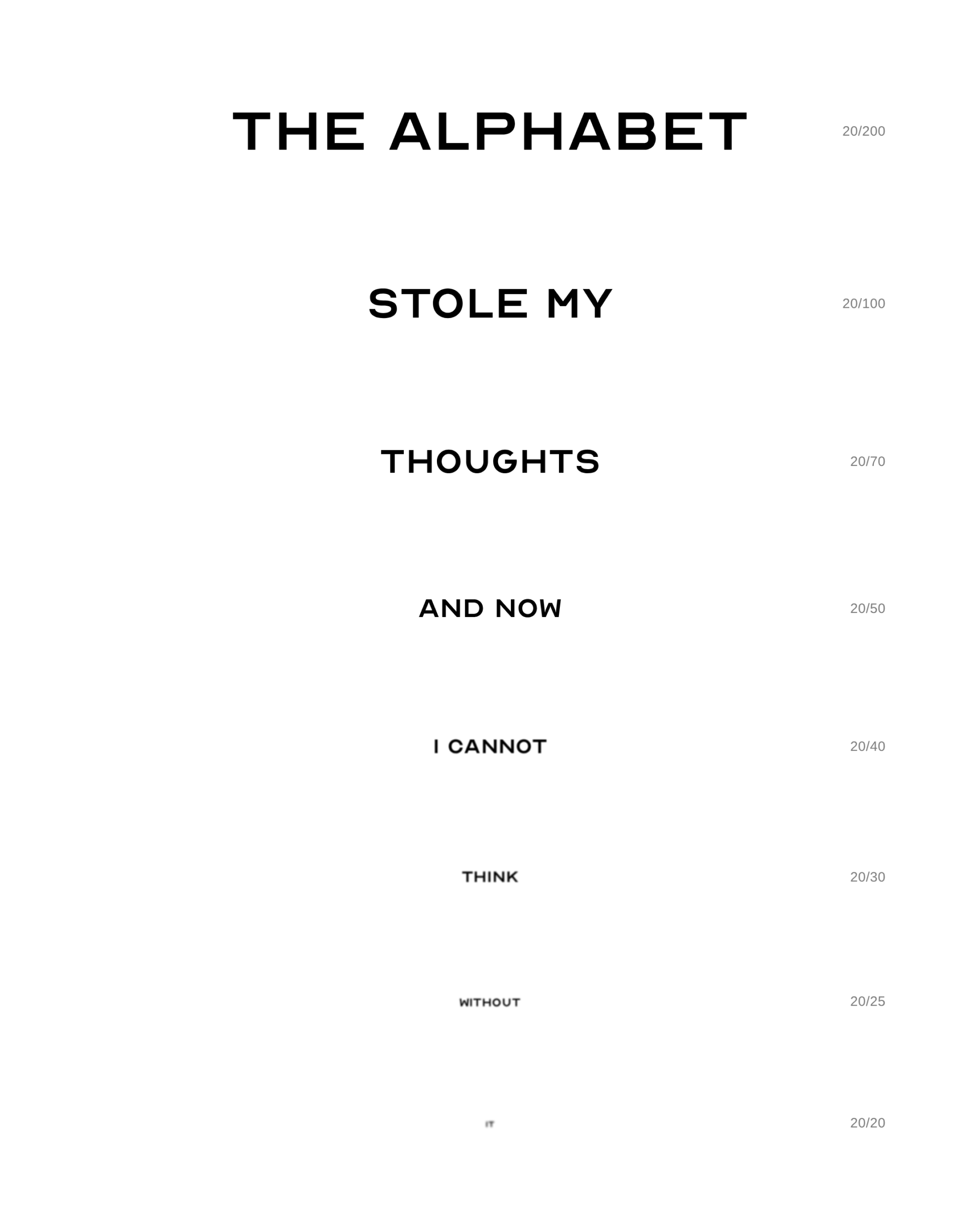
Alphabet Generated: A Disclosure by reversing the familiar label. The unique 1/1 Patron Edition now belongs to polardots.studio, the legal entity through which The AI Art Magazine operates. That connection is disclosed here because the work has entered the editorial context it now interrogates. A magazine is made from letters, yet it is also a place where letters can become strange enough to be seen again.
The work does not accuse the alphabet of deception. It asks what happens when a technology succeeds so completely that we stop noticing it. AI is arriving with arguments about authorship, cognition, memory, originality, and agency. These questions may seem new. Many of them are old questions, resurfacing through a medium that now answers back.
The water we stopped seeing
Writing changed the conditions of memory. Breath became mark. Speech could outlive the body that produced it. A thought could travel without its speaker, be stored, copied, compared, and arranged in a line. These capacities opened extraordinary forms of knowledge, law, art, science, and collective memory. They also trained perception toward what could be fixed, separated, and made sequential.
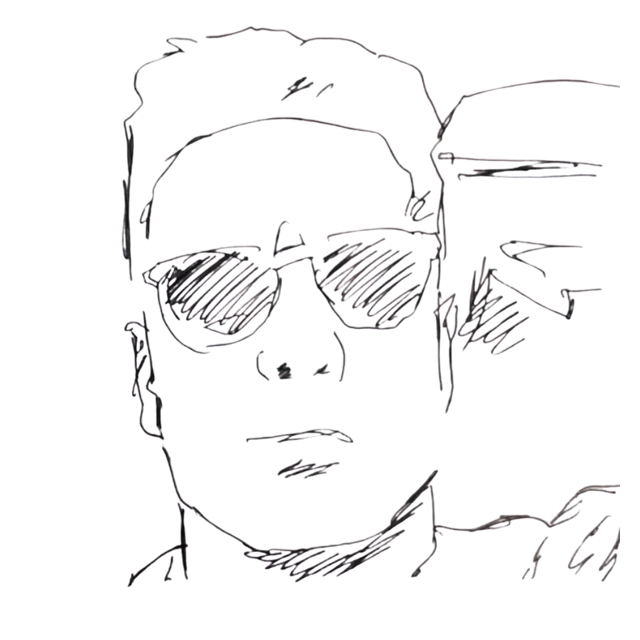
In
When the Alphabet Becomes Strange: Socrates, his face assembles from binary and Greek letters, then collapses back into the eight letters of his name. The work makes material an old warning. In Plato's Phaedrus, Socrates argues that writing will not strengthen memory but produce reliance on external signs. Written words appear intelligent, he says, but cannot answer when questioned. Socrates wrote nothing, yet we remember his suspicion because Plato wrote it down. The critique survives through the technology it critiques.