< Artists
INTERVIEW by Simone Brauner
Nov 5, 2026

Rashed Haq: Plausible Presidents

The United States holds its midterm elections on November 3, 2026. Published on this occasion, this conversation turns to the presidential portrait: a single image meant to stand for someone beyond the moment in which it was made.

A face looks determined. Or is it tense? An expression may suggest character, yet how we read it also depends on the medium and the image-maker’s decisions. What does the portrait reveal, and what does the viewer read into it?

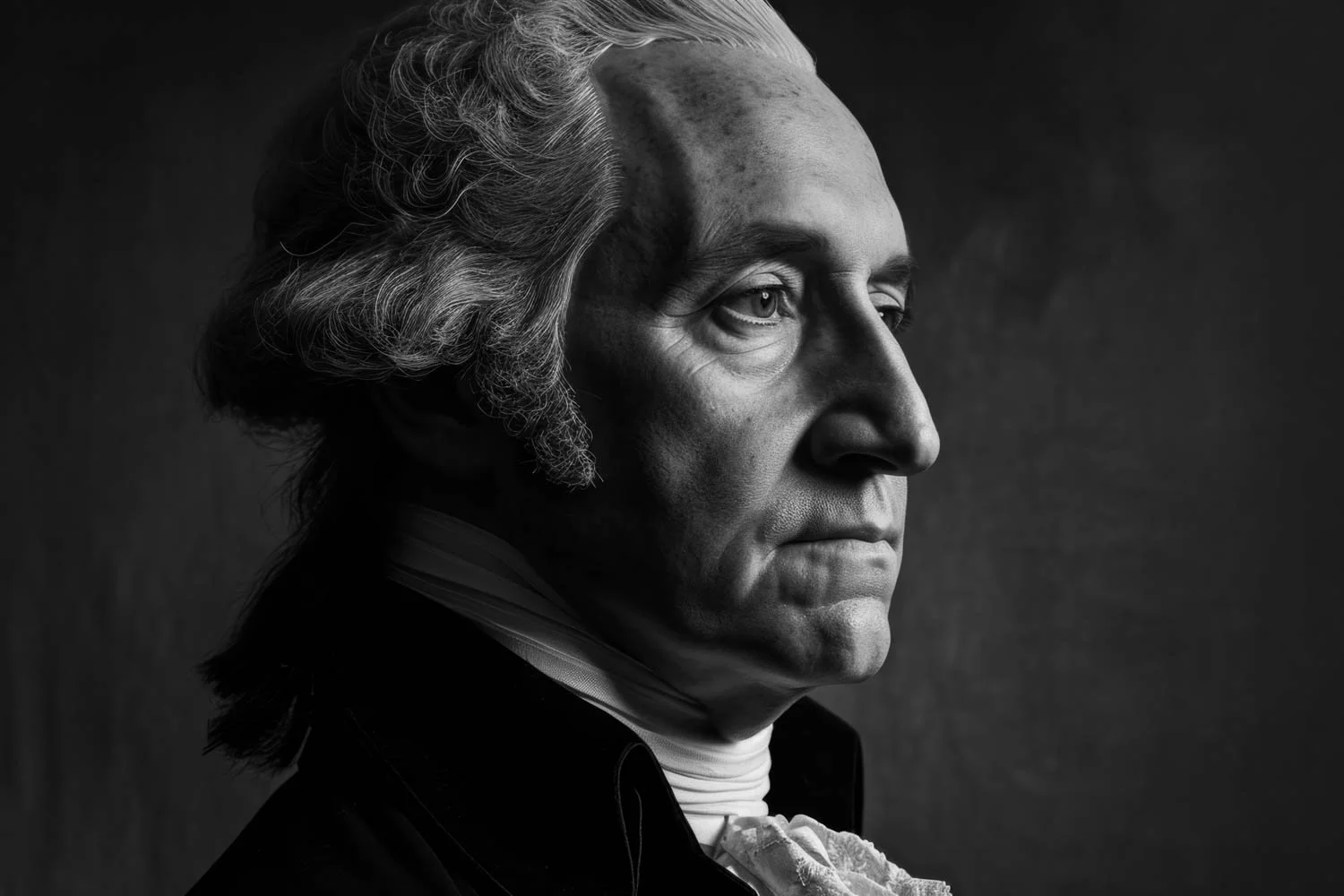
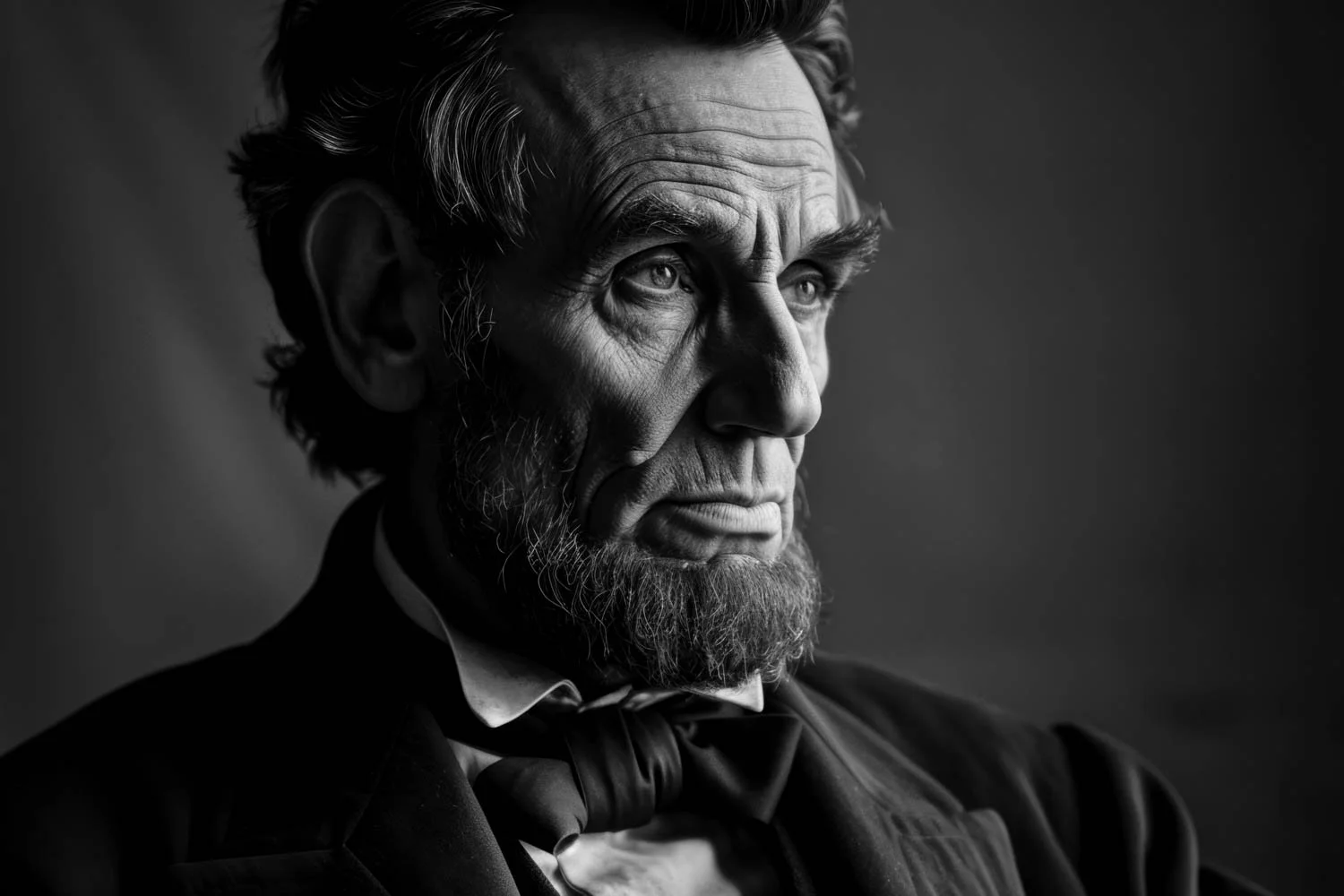
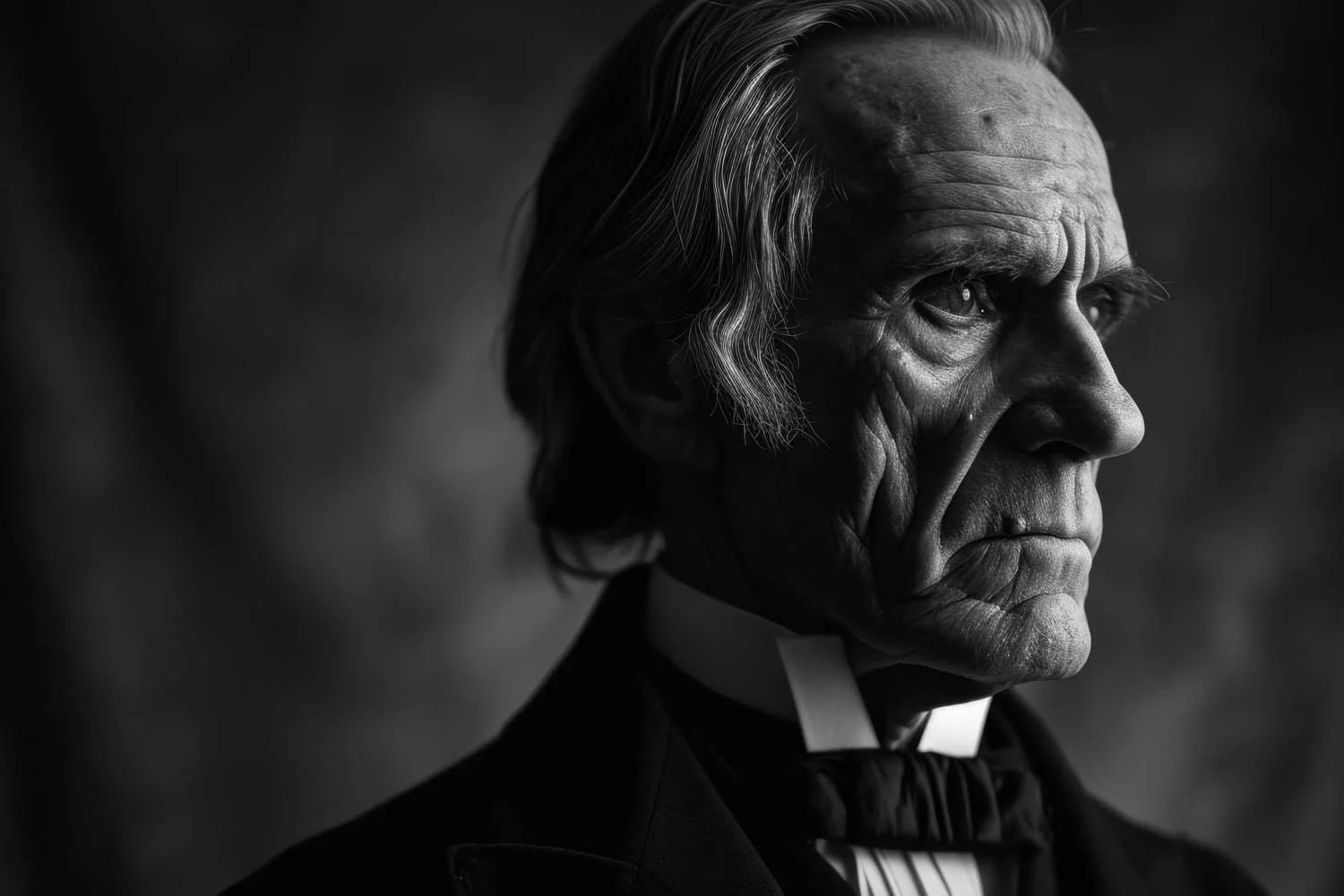
In Plausible Presidents, Rashed Haq uses generative AI to create photographic-looking portraits of the first sixteen U.S. presidents, drawing on historical depictions and written descriptions. George Washington, president from 1789 to 1797, never sat before a camera; by Abraham Lincoln’s presidency, from 1861 to 1865, photography was an established way of recording a face. Here, they appear to have visited the same studio, brought into a shared photographic present.

For Rashed Haq, George Washington became a focal point because his visual identity seems so firmly established despite the absence of photographs. The generated portrait was intended to question the authority of that inherited image, while exploring the tension between George Washington’s association with integrity and his involvement in the violence of slavery. Making the portrait also meant confronting Rashed Haq’s own readiness to grant credibility to an image that looked photographic.

Generative AI adds another layer of interpretation to the historical sources. Like a painted portrait or a performance in a biographical film, a synthetic portrait may shape how we imagine a person without being mistaken for a historical document. What can a portrait allow us to know about a person, and what makes it plausible?
“There is an important distinction between plausibility and truth. In the case of George Washington, even when people knew the portrait was constructed, they still responded to it as though it was a camera photograph. That was particularly revealing because it showed me that intellectual knowledge and perceptual belief can coexist, even when they contradict each other.”
Simone Brauner. Even knowing how your portrait of George Washington was constructed, you found yourself granting it credibility. What makes a portrait plausible to you, and how do you distinguish that impression from what the available evidence supports? Did making the series change how you respond to photographic images?
Rashed Haq. What makes a portrait plausible to me is not necessarily historical truth, but its visual coherence and likeness to what is imaged to be accurate. When the lighting, facial features, expression, texture, and photographic details come together convincingly, the image feels authentic. There is an important distinction between plausibility and truth. In the case of George Washington, even when people knew the portrait was constructed, they still responded to it as though it was a camera photograph. That was particularly revealing because it showed me that intellectual knowledge and perceptual belief can coexist, even when they contradict each other. For Plausible Presidents, I drew on historical descriptions, paintings, and sculptures. These sources provide some grounding, but they also contain artistic interpretations and biases.
Making the series didn’t fundamentally change how I respond to photographic images because I’ve always been aware that photographs can be manipulated. In fact, photographic images have been staged, altered, and fabricated since the earliest days of photography. What generative AI changes is not the possibility of deception, but the ease, speed, and sophistication with which convincing images can be created. Photography has always carried an implied claim to truth, even though that claim has never been entirely reliable. Plausible Presidents reinforces this tension between visual credibility and factual authenticity.
Simone Brauner. Why did you choose to give these historical figures a common photographic present?
Rashed Haq. As a photographer, I approached the project with a simple premise: if I could bring each of these presidents into my studio today, how would I photograph them? I wanted to use my own lighting, composition, and aesthetic sensibilities rather than recreate the visual conventions of their respective eras.
I wanted to minimize visual cues of different historical periods, while maintaining some plausibility, hence making their close look more like the late 1800s than contemporary. Giving them a common photographic present removes some of the historical distance and allows viewers to focus on the differences between their faces rather than the styles of their portraits. It also creates the illusion that people separated by centuries could have sat for the same photographer. In a sense, these are portraits of how I would photograph them if they were sitting in front of my camera today
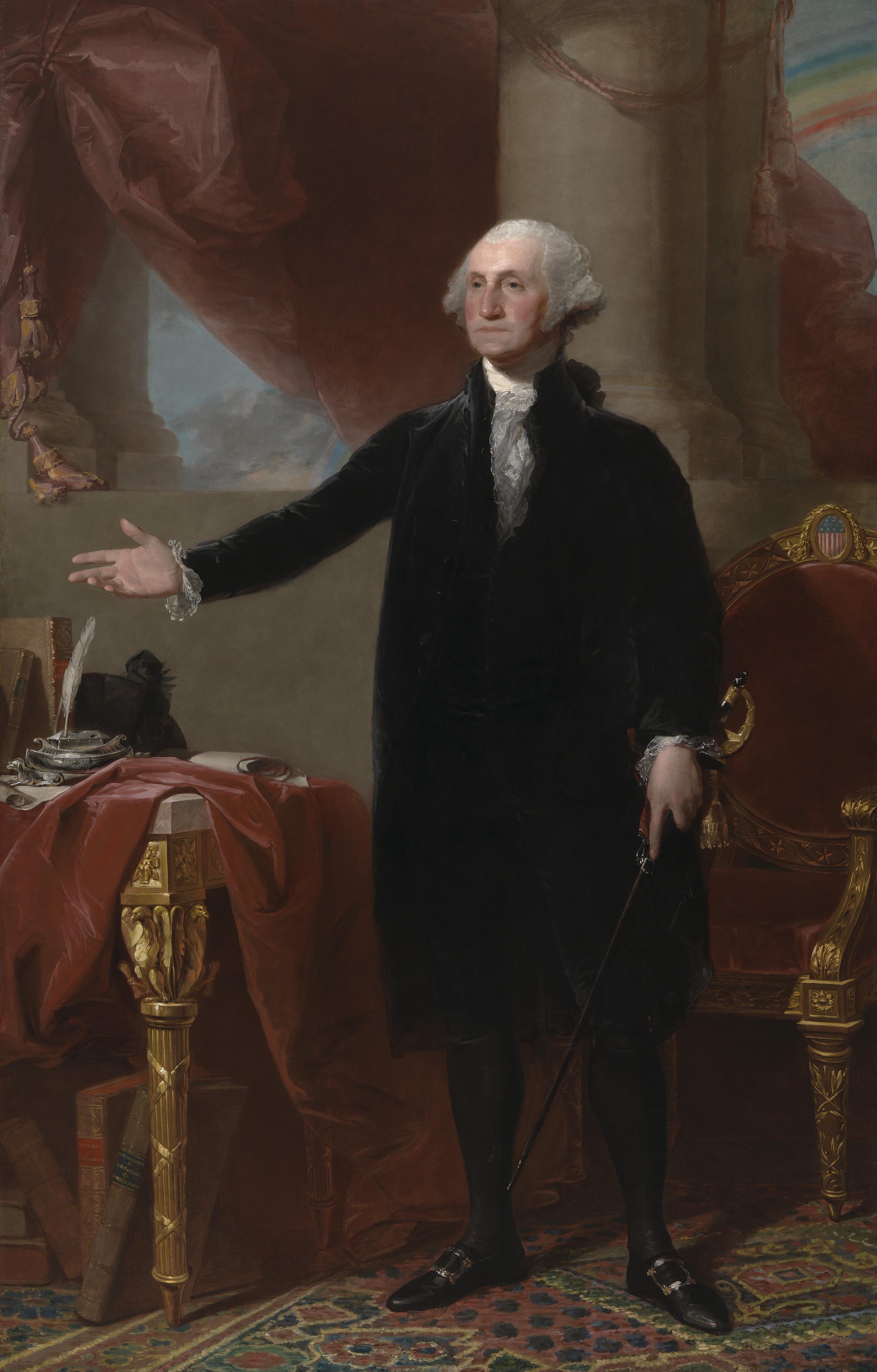
Image: George Washington, No. 1Left: Rashed Haq, Plausible Presidents, George Washington, No. 1, Created 2022-2024.
Right: https://npg.si.edu/object/npg_NPG.2001.13
Simone Brauner. Starting with George Washington, could you describe the visual and written sources you consulted and explain how you used them in the generation process?
Rashed Haq. RH: I consulted a range of visual and written sources, including historical paintings, sculptures, engravings, photographs where available, and contemporary descriptions of physical appearance. I looked for recurring features across different representations, such as facial structure, proportions, hair, and other distinguishing characteristics.
I used these references to guide the fine tuning of a large generative AI model, refining the results through multiple iterations. My goal wasn’t to reproduce any single historical portrait, but to synthesize the available information into a plausible likeness, photographed in my own visual style. There was inevitably an element of interpretation, where the source material was already filtered through the eyes of other artists.
Simone Brauner. In your statement, you contrast George Washington’s image as a figure of leadership and integrity with his involvement in the violence of slavery. How, if at all, did that tension inform your approach to the portrait?
Rashed Haq. You are referring to the text descriptions. These were also created with generative AI, with its potential for bias and inaccuracy in the captions. The image generation is not informed by the tensions in the text.
Simone Brauner. Each president is depicted in a single portrait, with a particular expression and posture. When choosing among the resulting images, what were you looking for in the final portrait? How did you decide which version to include? Who made the final decision about which image would be included in the series?
Rashed Haq. I made all the final decisions about which images to include. My selection was based on two main considerations: whether the likeness seemed historically plausible and whether it was a portrait I would have made if the person were sitting in my studio.
I looked for natural expressions, convincing facial features, and a sense of presence. I wanted the portraits to feel authentic rather than overly stylized or idealized. Small differences in expression, posture, and lighting could significantly change how I perceived the person. Ultimately, it was a subjective, artistic decision, informed by the historical references but guided by my own instincts and aesthetic sensibilities as a photographer.
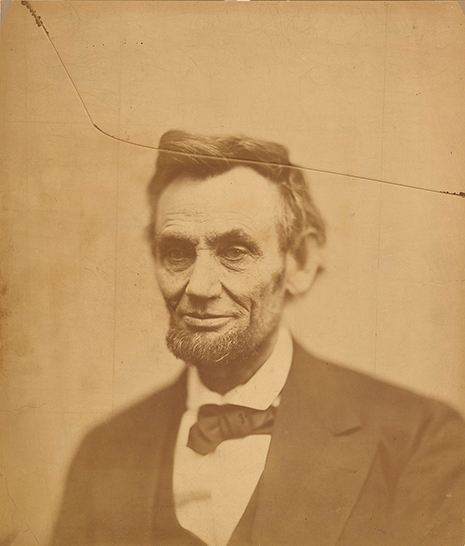
Image: Abraham Lincoln, No. 16Left: Rashed Haq, Plausible Presidents, Abraham Lincoln, No. 16, Created 2022-2024.Right: https://npg.si.edu/blog/alexander-gardner%E2%80%99s-iconic-portrait-lincoln-turns-150
Simone Brauner. How did you approach gaze and expression when developing the visual language of the series, and what role did warmth or distance play in that conception?
Rashed Haq. approached gaze and expression much as I would in my own studio photography. I tend to favor subtle, understated expressions over overt smiles or theatrical poses. A gaze directed slightly away from the camera can create a sense of introspection and give the portrait a more natural, unguarded quality.
Simone Brauner. When photographs of a president survive, what role, if any, do they play in your process?
Rashed Haq. Initially, I intended to limit the series to presidents who lived before photography, for whom no photographic record exists. But I eventually decided to extend the series through Abraham Lincoln, partly because his face is so widely recognized and he was photographed extensively during his lifetime.
Including presidents with surviving photographs gave me an interesting point of comparison. I could evaluate how well the generative process captured their actual likenesses rather than relying solely on paintings, sculptures, and written descriptions. Lincoln, in particular, provided a useful test of whether the process could produce a convincing likeness of someone whose appearance we already know so well.
Of course, even historical photographs capture only a particular moment, expression, and perspective, so I wasn’t trying to reproduce them exactly. I was interested in whether the resulting portrait could feel like the same person.
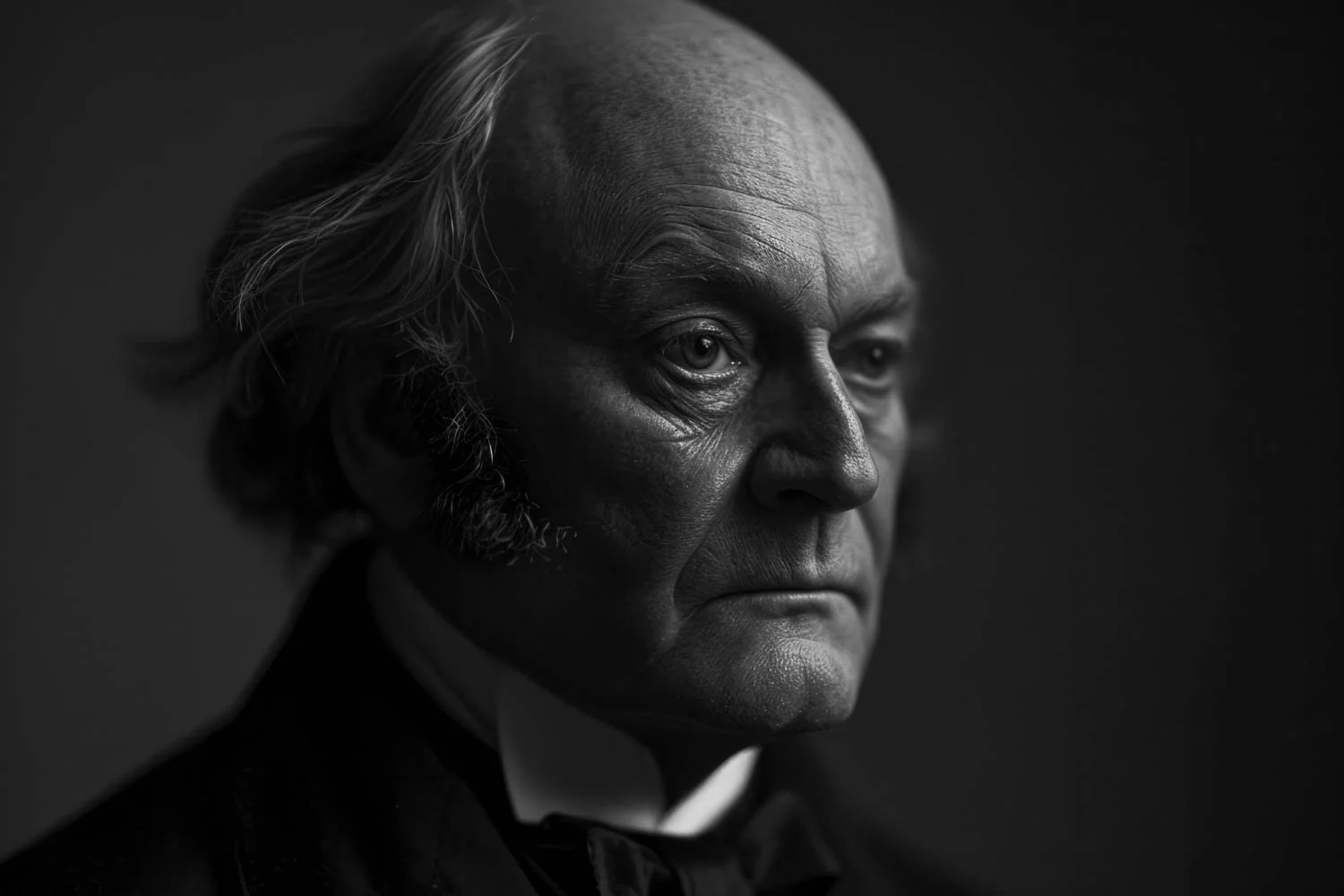
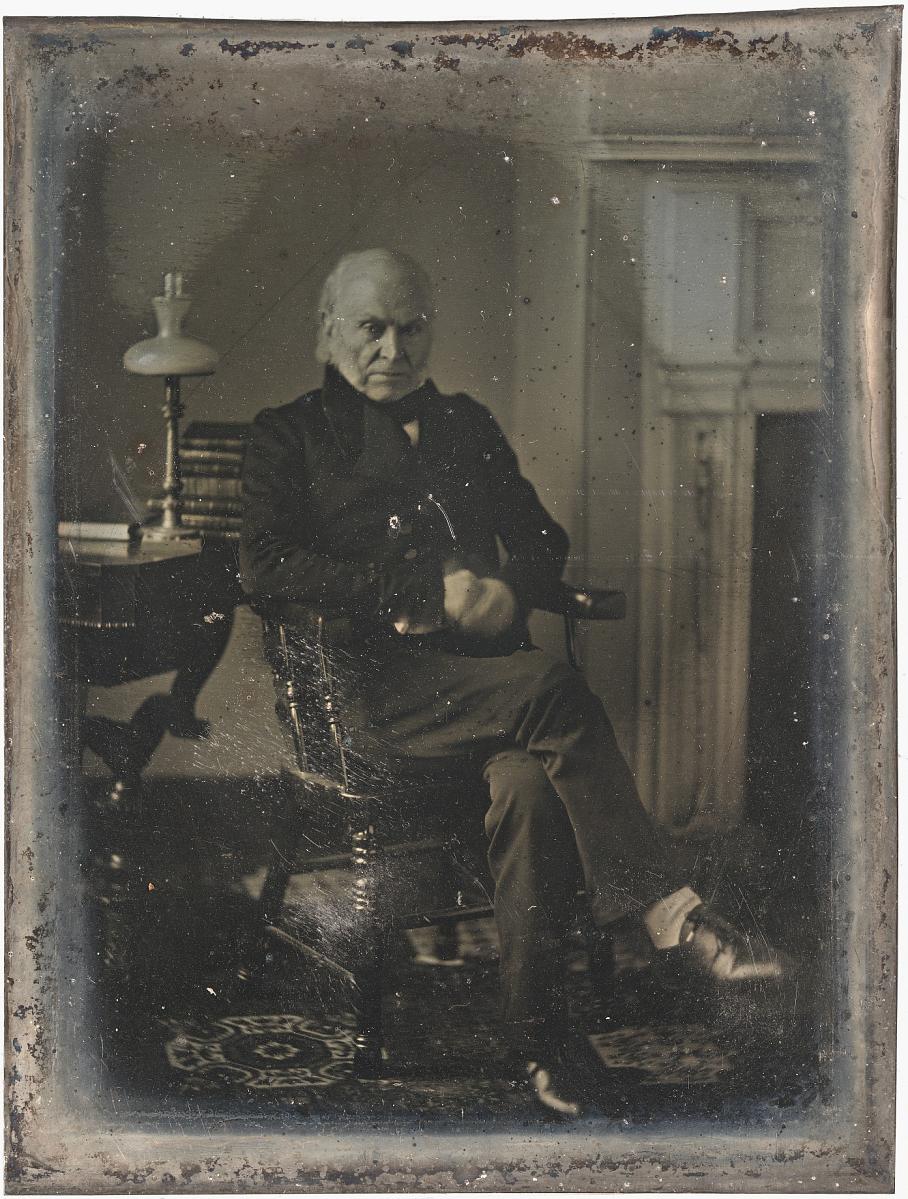
Image: John Quincy Adams, No. 6Left: Rashed Haq, Plausible Presidents, John Quincy Adams, No. 6, Created 2022-2024.Right: https://www.si.edu/object/npg_NPG.2017.110
Simone Brauner. How do you think about the portraits becoming part of this wider pool of images, and does that possibility affect your decisions?
Rashed Haq. I’m aware that once an image is published online, I have very little control over how it’s circulated or interpreted. Someone might encounter one of these portraits without knowing it was generated by AI and assume it’s an authentic historical photograph. That’s a possibility I recognize, but it doesn’t fundamentally change my artistic decisions.
Photographs and other images have always been reproduced, taken out of context, and sometimes misrepresented. Generative AI makes this easier and more widespread, but the underlying issue isn’t new. I think it’s important to be transparent about how the images were made and to present them clearly as artistic interpretations rather than historical documents.
At the same time, I’m interested in precisely this ambiguity. The fact that a synthetic portrait can become part of an archive, or of someone’s mental image of a historical figure, raises interesting questions about how visual memory and historical understanding are formed. That tension is part of what Plausible Presidents explores.
Simone Brauner. Does having more photographs make it easier to arrive at a representative portrait, or does it make the choice more difficult?
Rashed Haq. Because I wasn’t trying to create a definitive or representative portrait, but rather one that felt plausible and convincing, having more photographs wasn’t necessarily helpful. In fact, the more photographs that exist of a person, the more opportunities there are to compare the generated portrait against them. Those comparisons can reveal subtle differences in facial features, proportions, or expressions that might make the portrait seem less convincing. With figures for whom no photographs exist, there’s more room for interpretation, and plausibility is judged against a less definitive set of visual references.
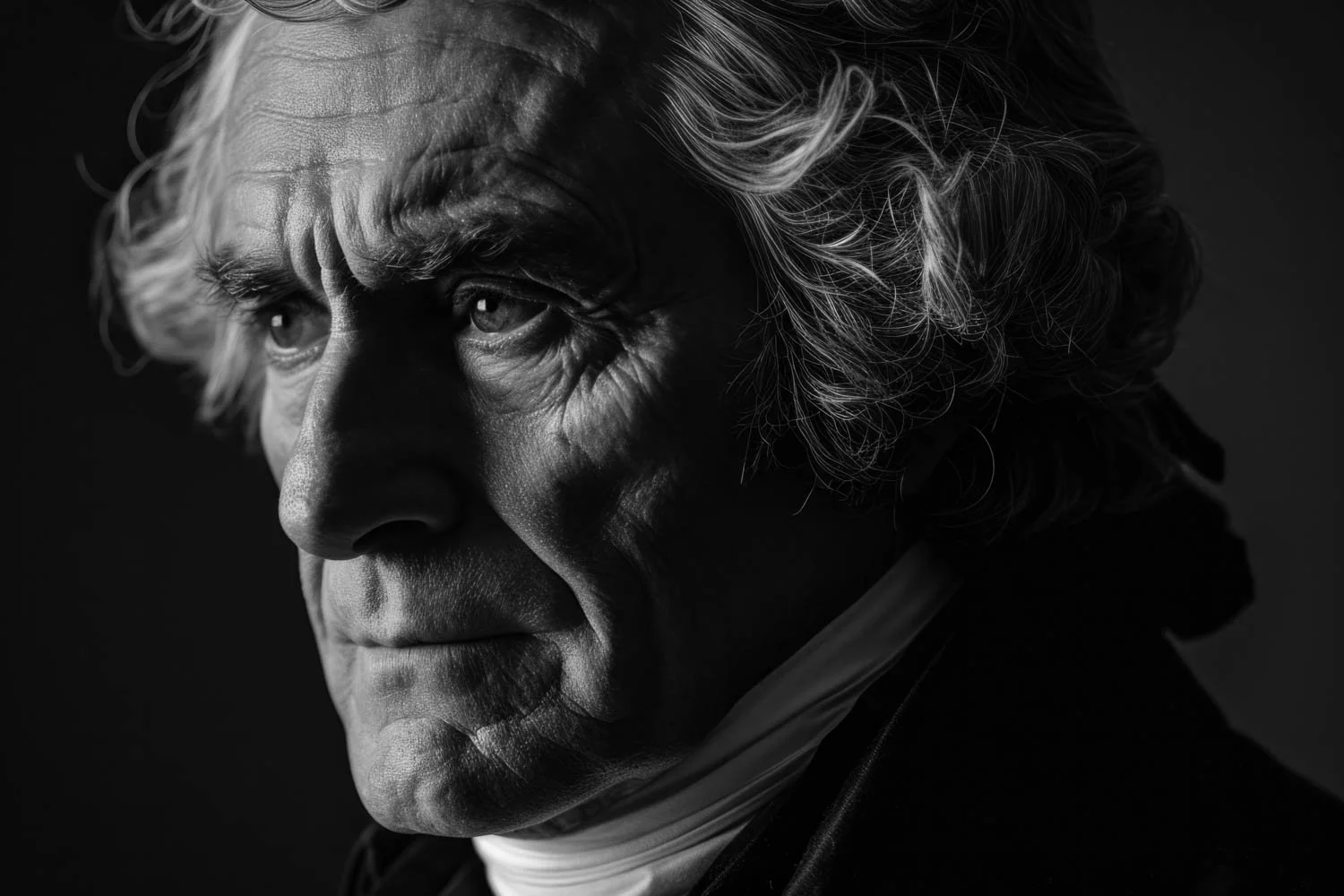
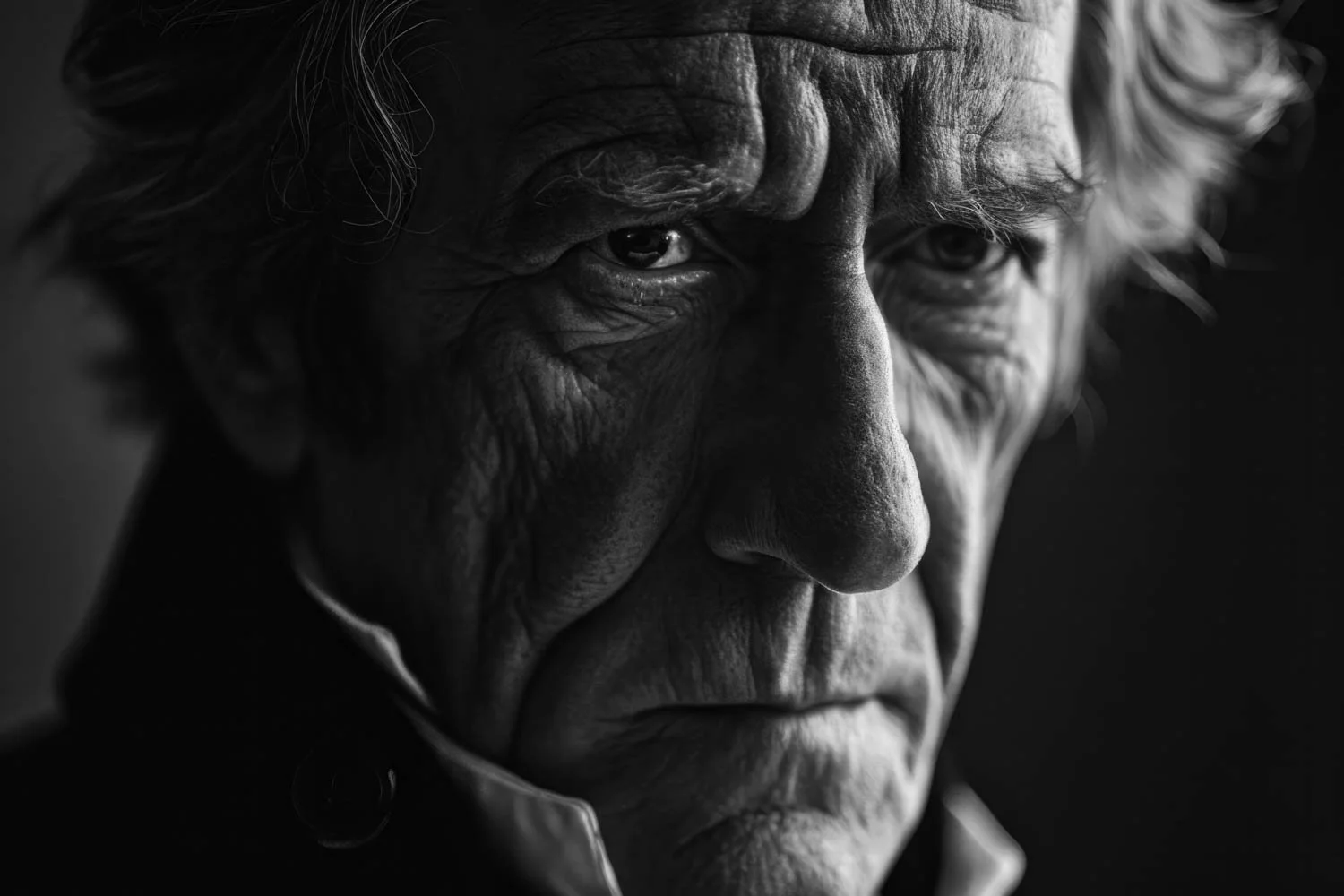
Rashed Haq, Plausible Presidents: Thomas Jefferson (3rd US president), Andrew Jackson (7th US president), and James K. Polk (11th US president), from left to right. AI-generated portraits.
Simone Brauner. How would you prepare for that sitting, and how would it unfold? What conditions would you create, and how would you approach his pose? How would you direct his gaze and expression?
Rashed Haq. I would approach the sitting much as I would any other portrait session. I’d want to understand how he has been photographed in the past, but I wouldn’t feel compelled to either follow or avoid those examples. My goal would be to make a portrait that reflects my own photographic sensibilities rather than reinforce an established public image.
I’d create a quiet, controlled studio environment with simple lighting and a neutral background, removing as many distractions as possible. I’d spend some time talking with him, allowing the session to unfold naturally rather than imposing a predetermined pose or expression. I’d experiment with both direct and averted gazes, looking for a moment when his expression felt natural and unforced.
Even knowing the portrait might shape how future generations remember him, I wouldn’t try to manufacture an image of authority, warmth, or gravitas. I’d want to make a compelling and believable portrait of the person in front of my camera, leaving history to determine its meaning.