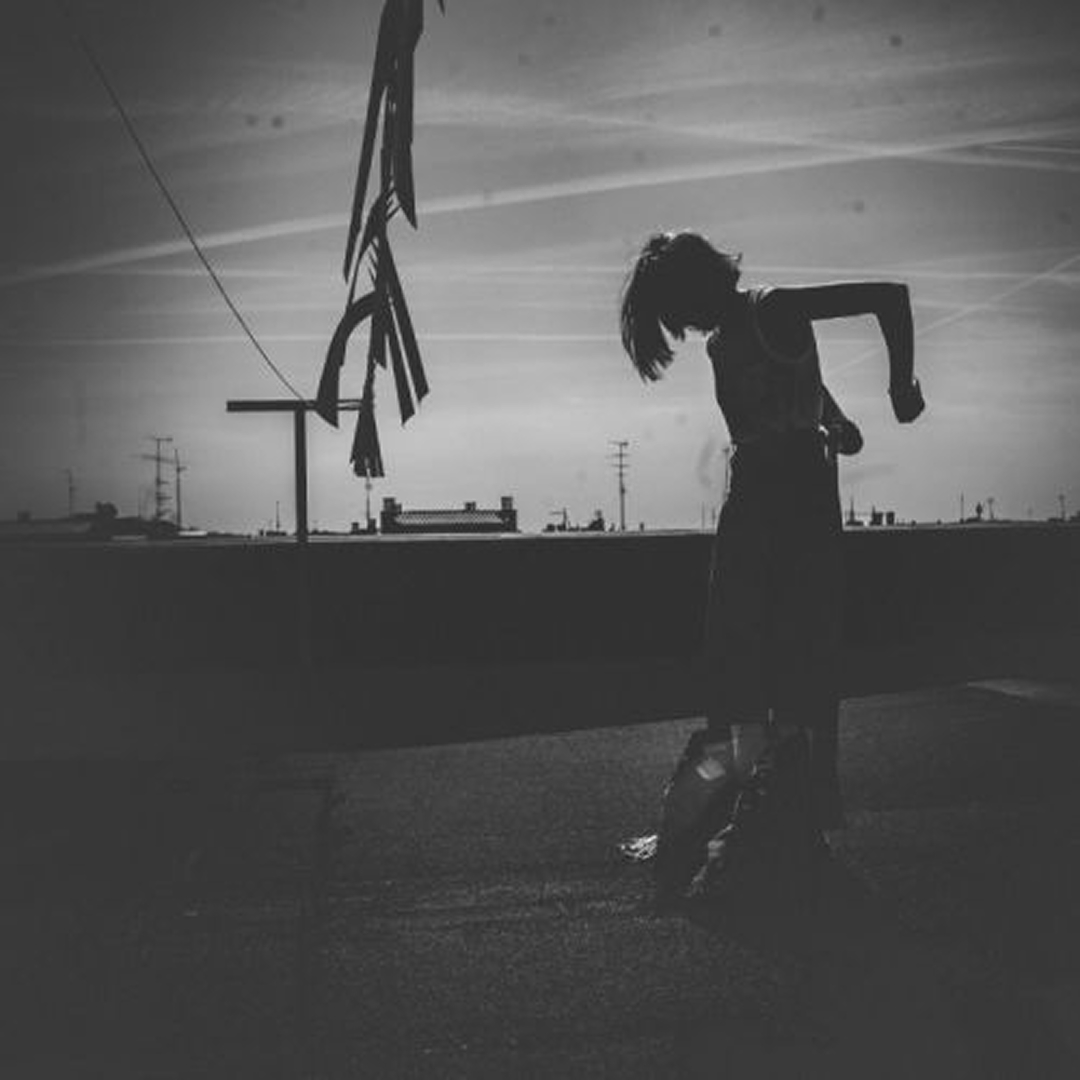
Ana María Caballero's first institutional mid-career retrospective at Francisco Carolinum brings together installation, performance, sculpture, choreography, cinematic AI, and literature, built around the conviction that language is a living process shaped by writing and reading.
The exhibition opens with Fifty Ways of Looking at a Poem, for which Ana María Caballero invited fifty people to read and annotate the same poem. Each annotated copy documents an individual reading process, showing how meaning forms, shifts, and multiplies through engagement with a text. The work demonstrates what Ana María Caballero calls "analog generativity," the idea that readers and writers produce each other.
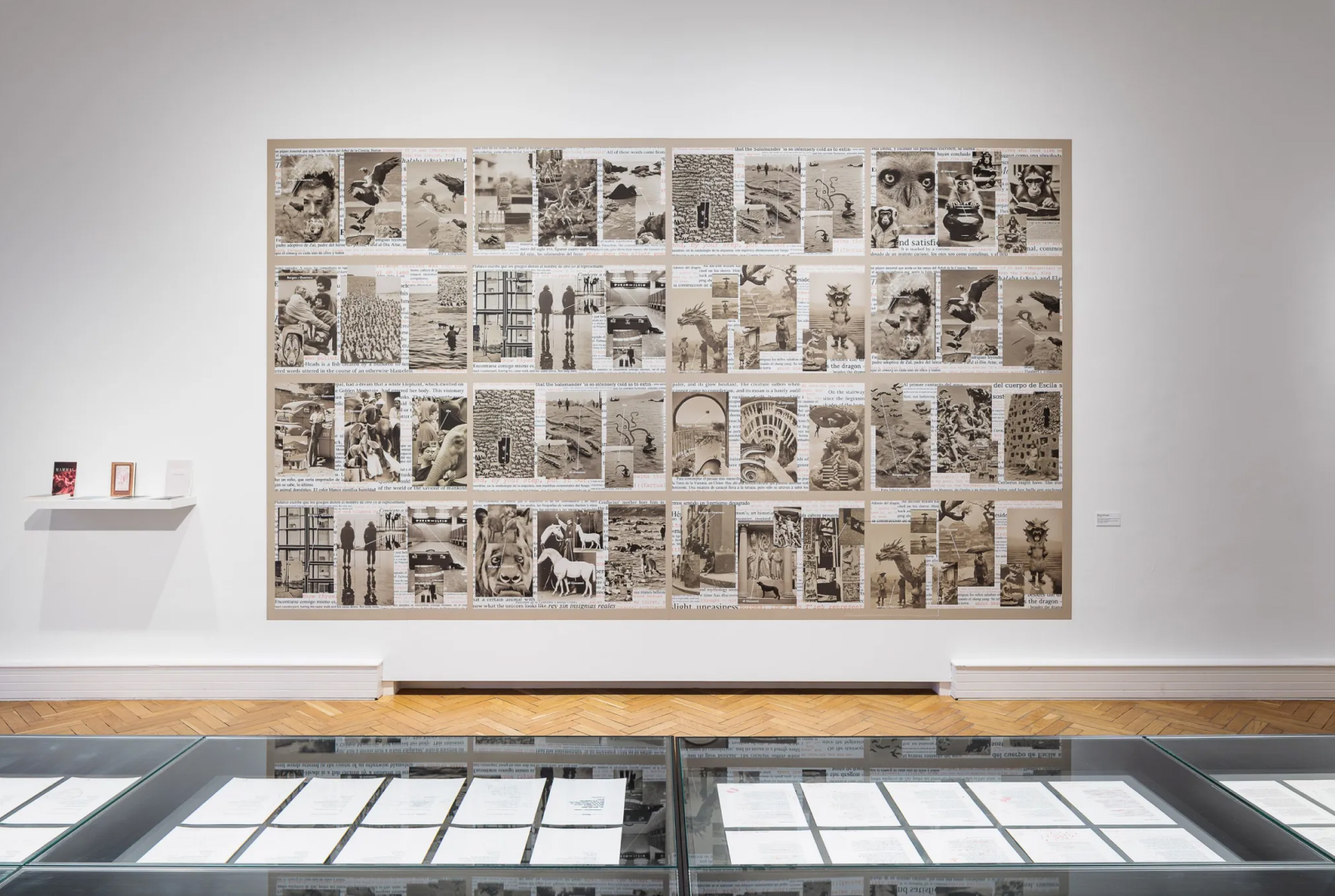
From there, the show unfolds a panorama of work that carries the poem beyond the page, making language legible as a visual, performative, and technological medium across digital, processual, and spatial formats.Cinematic AI runs through several works on view. Pace, a multichannel animated piece, translates poetry, Latin American music, and personal narrative into generative moving image through a custom motion-translation system. Being Borges recasts Jorge Luis Borges and Margarita Guerrero's Book of Imaginary Beings, questioning what happens to language when generative AI renders it literal through image. artifacts, made with Alex Estorick, is a long-form generative AI project that became the Ashmolean Museum's first digital art acquisition.
Curated by Julia Staudach, Read the Room is Ana María Caballero's first institutional mid-career retrospective. A first-generation Colombian-American writer and a graduate of Harvard, she is the author of eight books and the first living poet to sell a poem through Sotheby's; her work is held in the collections of the Museo Reina Sofía, MACBA Barcelona, the Fundación March, and the Ashmolean Museum.