< Artists
by Sofia BEstidas Vivar
Sep 13, 2026

Could We Defeat Death If We Had the Chance?  

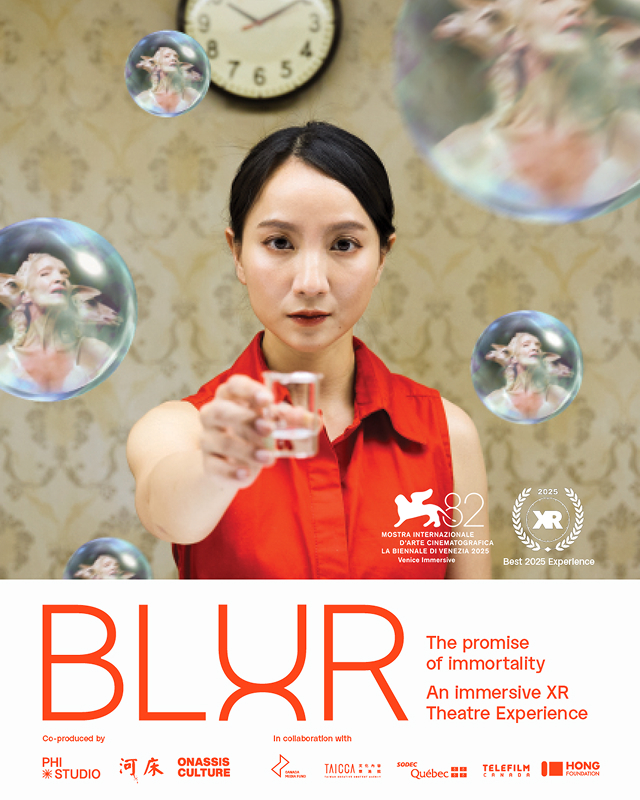
In Dania Beach, Florida, a small group of strangers will walk into a museum, put on mixed-reality headsets and confront one of humanity’s oldest and most unsettling questions: If we could cheat death, would we? That question sits at the center of BLUR, an internationally acclaimed mixed-reality theater production making its U.S. debut on November 9, 2026.
BLUR Photo Credit: You-Wei Chen
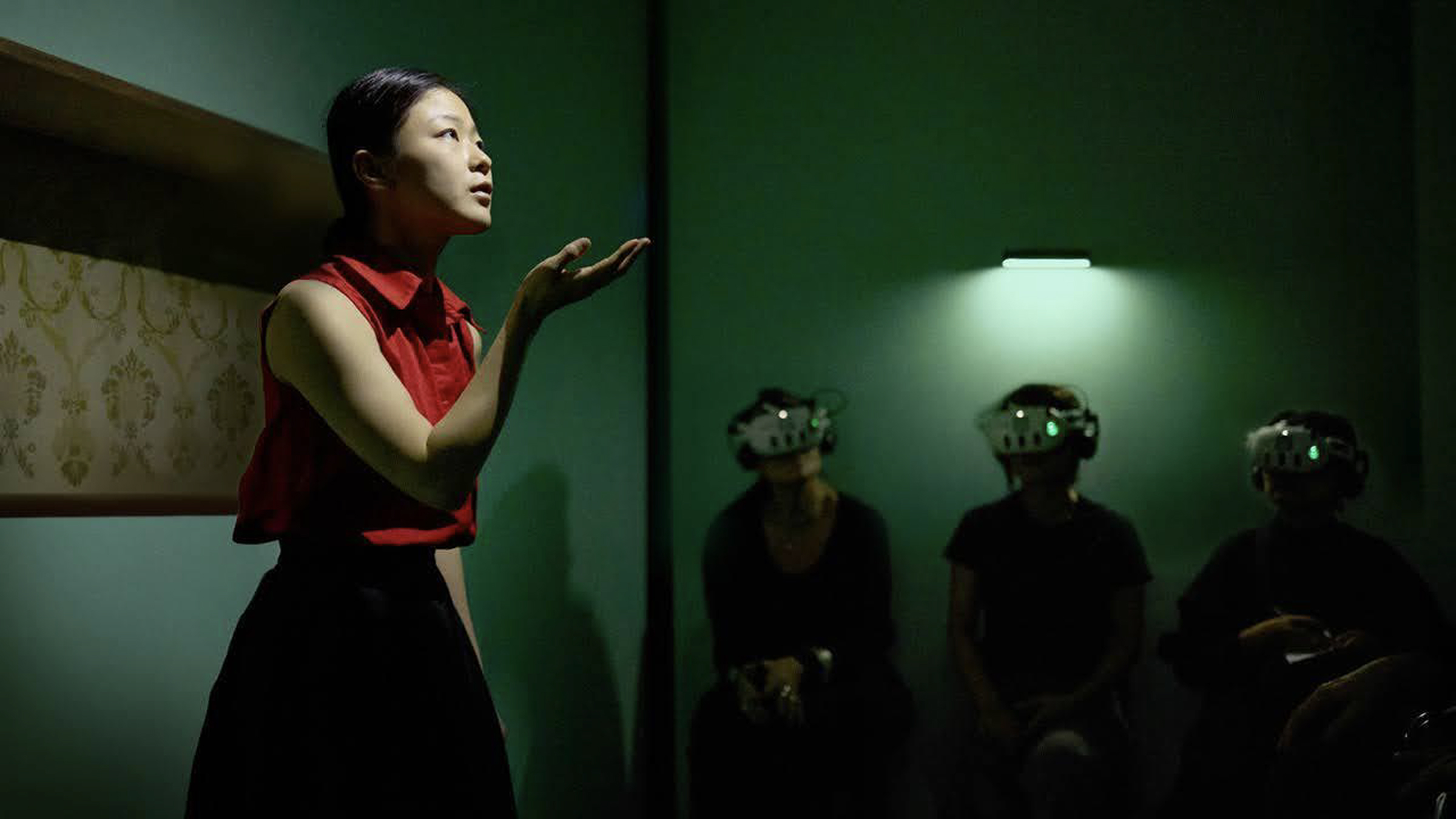
Set in a near future where cloning, genetic engineering and de-extinction have become reality, the 45-minute experience blends live performance with motion capture, virtual reality and augmented reality as participants move through a surreal world populated by hybrid creatures and artificial beings.
BLUR made its world premiere at Taiwan’s National Theater before traveling to Venice Immersive at the Venice International Film Festival, followed by presentations in Germany and Canada. Now, BLUR will captivate audiences at MAD Arts, a museum built to give artists the freedom to venture beyond what’s been done before.
A Story That Trusts You With the Questions
Whether BLUR is a warning about the future of biotechnology or something more hopeful is a question its directors deliberately leave unanswered.
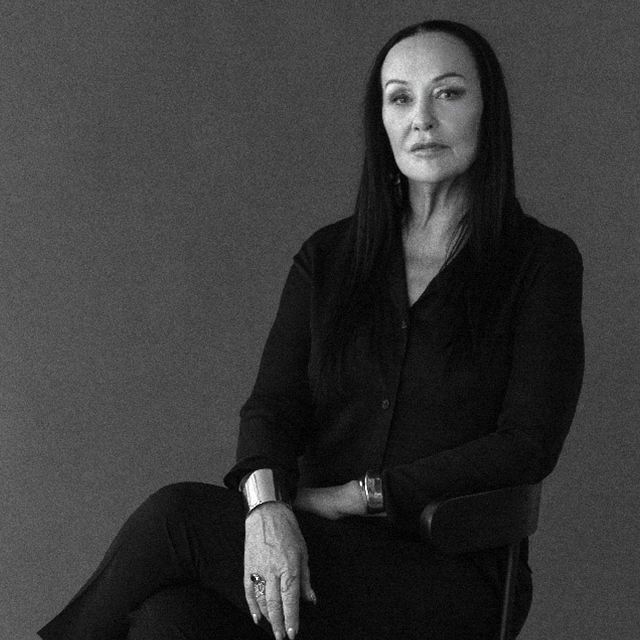
“It’s ambiguous,” said co-director Phoebe Greenberg. “We’d like to solve grief if we could, but is it a good idea? What gives life meaning? The fact that life ends.”
Co-director Craig Quintero sees the piece’s ambiguity as a reflection of the inherent uncertainty of science. “What’s both exciting and frightening about genetic engineering and cloning is not a question of whether people will be able to clone humans, but when,” he said. “You start thinking about these more philosophical questions of identity and essence and personality.” He credits the show’s spirit of inquiry to a piece of advice from the late director Robert Wilson: The role of an artist isn’t to give answers, but to ask questions.
Marc Aptakin, founder and CEO of MAD Arts, experienced that firsthand as an audience member in Montreal. “It wasn’t trying to give you an answer or tell you what to think,” he said. “It put a lot of questions in front of you through the whole narrative.”
Why MAD Arts Brought BLUR to the U.S.
For Aptakin, BLUR stood out immediately—not just for its ideas, but for how rare it is to see a mixed-reality piece that gets both the art and the technology right. “Once you experience it, and you realize all the senses that get brought into it, from touch to scent, it was just flawless,” he said.
That integration of art and technology is at the heart of MAD Arts, the 50,000-square-foot museum and innovation hub Aptakin opened in Dania Beach in 2020. The museum grew out of MAD, the creative and technology agency Aptakin founded with a mission of helping emerging artists find the resources to build ambitious work. “A lot of the things we do are to help artists accelerate their careers and generate long-term revenue for themselves,” Aptakin said. “For me, BLUR is a top-shelf example of what the people we work with should aspire to create.”
BLUR Photo Credit: You-Wei Chen
Building the Illusion
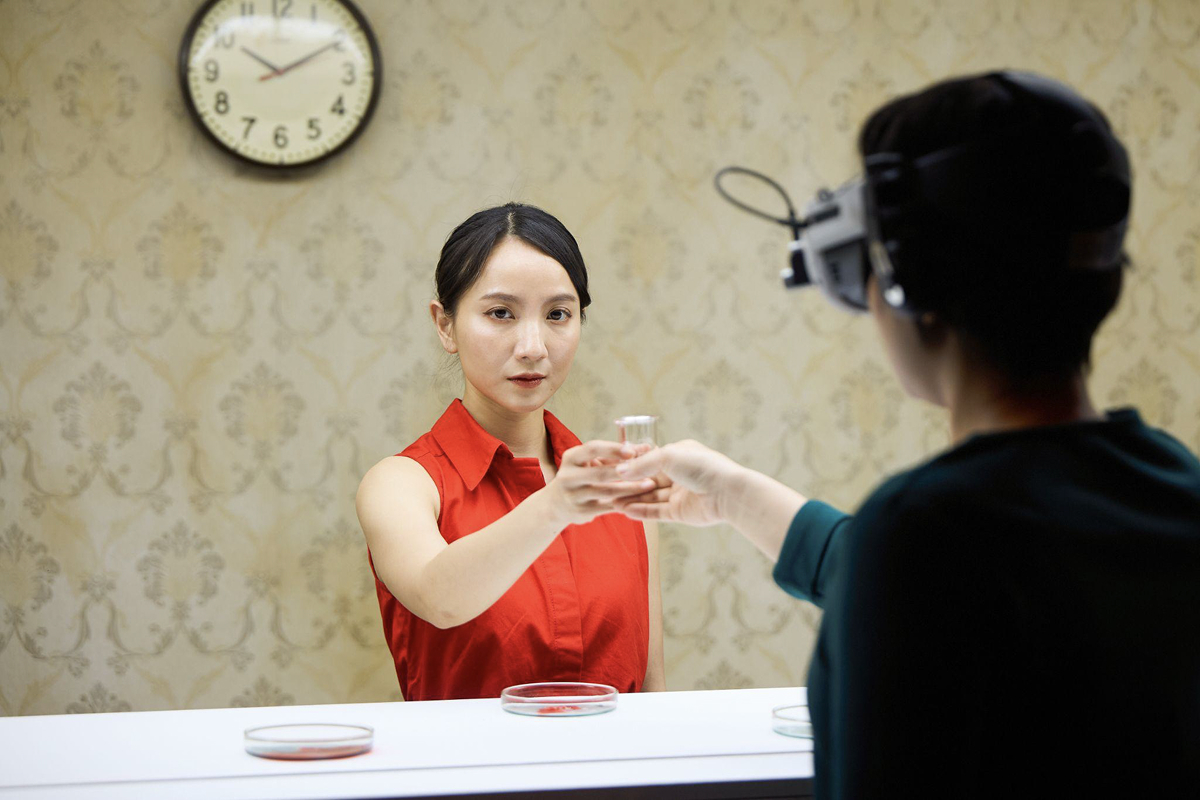
Creating a convincing sense of physical presence during a mix of live performance, projection and virtual reality required carefully choreographing every stage of the experience, from the moment the audience enters the space and is led into the immersive scenography to their encounters with live actors.
“For us, it was about introducing the technology in a way that was human, intimate and seamless,” Greenberg says. “We scan the body and give a tutorial, but it’s all integrated into the experience.” The experience also incorporates haptics and touch, bringing elements of live theater into the virtual environment and further blurring the line between the physical and digital worlds.
BLUR trailer
Where AI Actually Fits In
For a production built at the leading edge of immersive technology, BLUR makes surprisingly limited use of artificial intelligence. That restraint is intentional. “We really didn’t use much AI,” Quintero said. “There’s one sequence where we need it to do real-time processing. It’s not to let the AI do the work, but to really use it as a tool to create effects.”
Greenberg pointed to the show’s dance sequence as an example of where the human touch mattered more than the technology. “That dance is embodied. It’s a real dancer, a real choreographer. The music is done by a composer,” she said. “What we’re discovering is that human touch, that sensibility, translates in a much more accurate way, and the audience feels it.”
Aptakin took a similar view of AI’s limits. “I don’t think [AI] can really create,” he said. “It takes information and clumps it together. When you put it in the hands of really creative people, they’re able to do some really great things with it. But it’s not the same as a human being’s creative concept or ability to execute creatively.” He’s also seen what happens when teams lean too heavily on AI. “Things start to look the same, things start to sound the same. It’s helping define mediocrity quickly.”
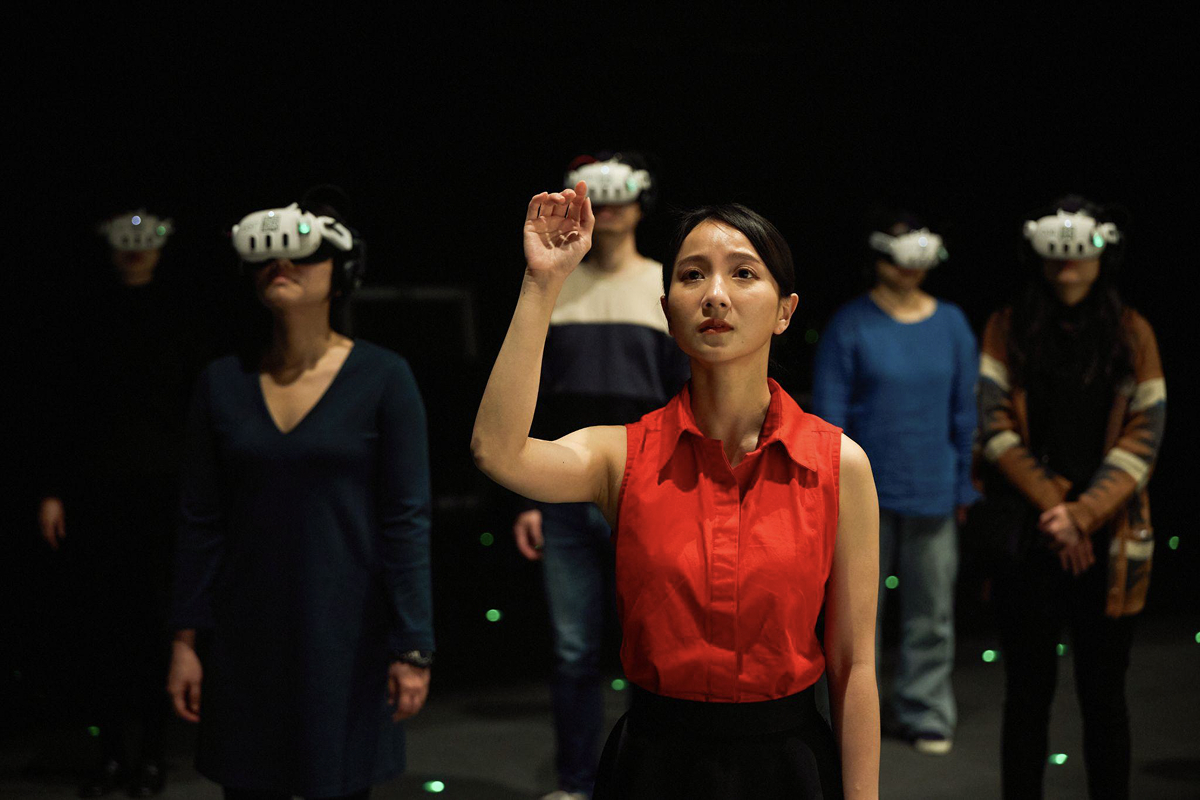
BLUR Photo Credit: You-Wei Chen
An Audience That Keeps Surprising Its Creators
Across audiences in four countries, the reaction Greenberg and Quintero describe is surprisingly consistent: People come out of it moved, and they need a minute to hold onto it before they can talk about it.
“In Venice and Germany, the audience came out, and they just sort of sat there, not talking,” Quintero said. “They needed time to process, to come back to reality.” He also described a very different moment in Taiwan, where a visitor in his late 70s, during his first VR experience, danced with one of the show’s hybrid characters and moved through a scene with what Quintero called “total abandon.” “To see them fully let themselves go, I did not expect that,” he noted.
“The deep emotional response was a surprise, that we somehow engaged people’s feelings,” Greenberg said. “And it wasn’t just the wonder of, ‘Wow, where was I?’” As for how U.S. audiences might respond differently, she pointed to a public already familiar with gaming and virtual worlds, while also navigating an ongoing conversation around AI. “There’s a level of sophistication with the American public that I think will work.”