Infrarouge: Weather as inner state
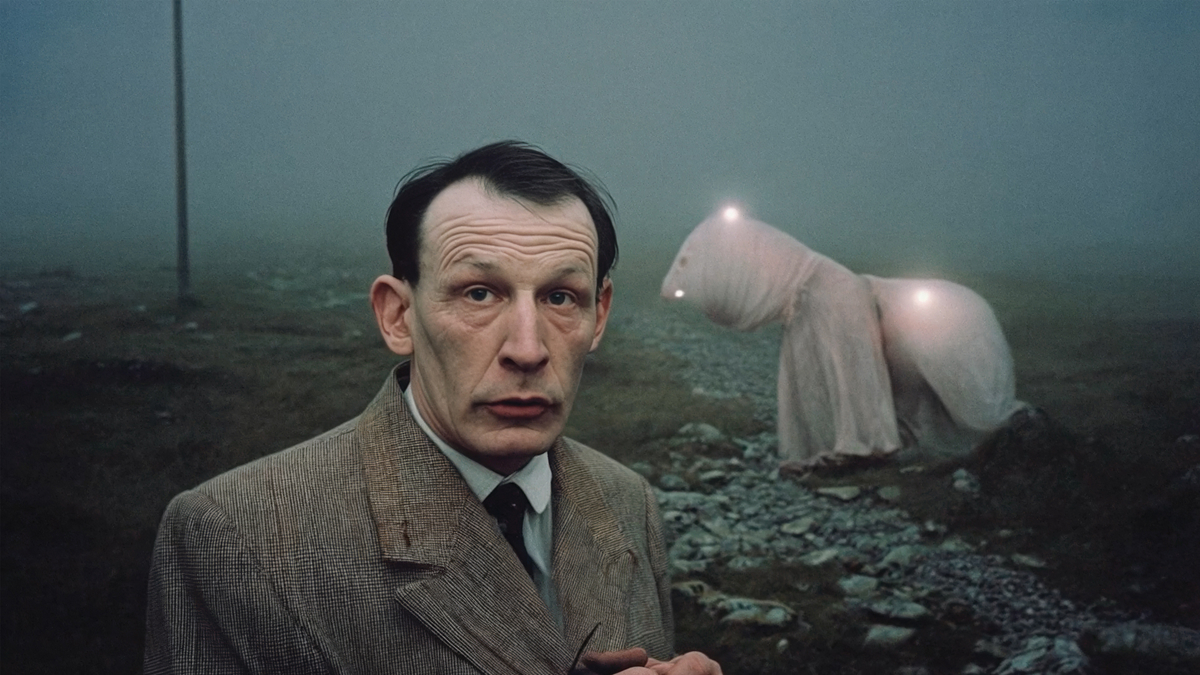
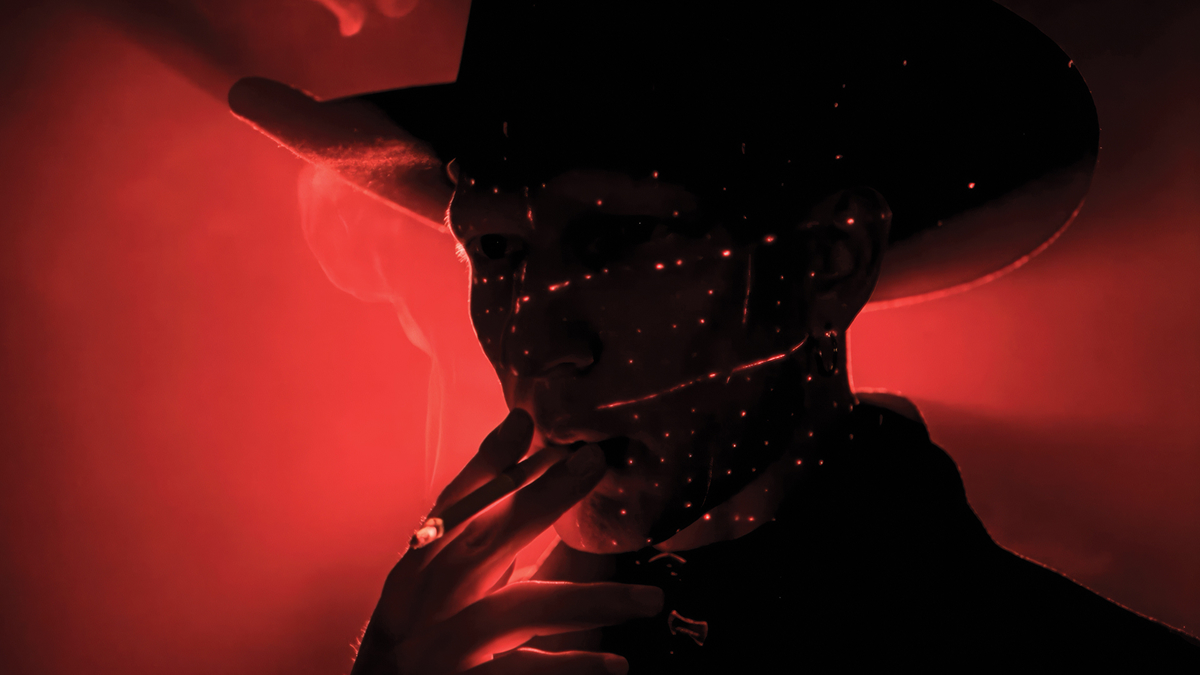
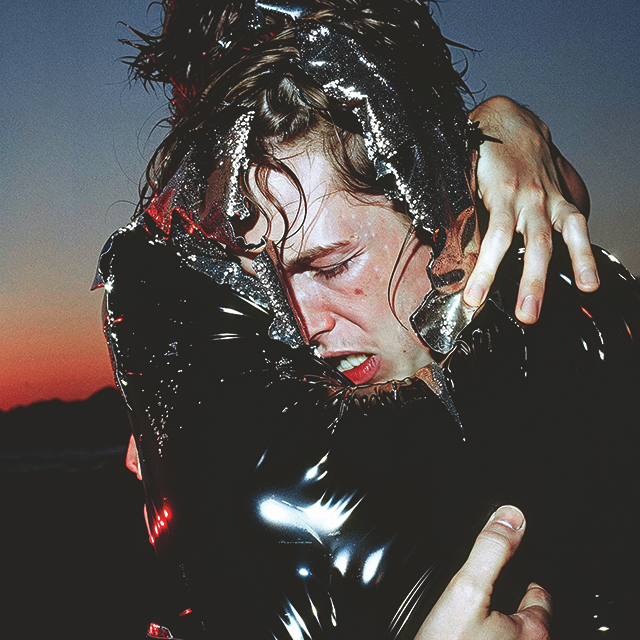
Infrarouge’s way into the script was neither Peterson nor the crime, but a detail in the opening description: “His trench coat is wet; his hat is too.” The artist saw a man who arrived already affected by something outside the bar. In Scoria, rain, cold light and mineral textures become the means of conveying that condition. The title refers to a volcanic rock; Infrarouge describes its significance to the film as “trauma cooled into matter”.
The artist wrote extensive notes before generating images, questioning the rain, the violence of the dialogue and the repeated search for Peterson. A storyboard then set out the film’s rhythm. Infrarouge was not trying to present a coma or a moment between life and death as a riddle for viewers to solve. Those possibilities informed the sensation the film was intended to create: a body still reacting, in a world that might be outside him or inside him.
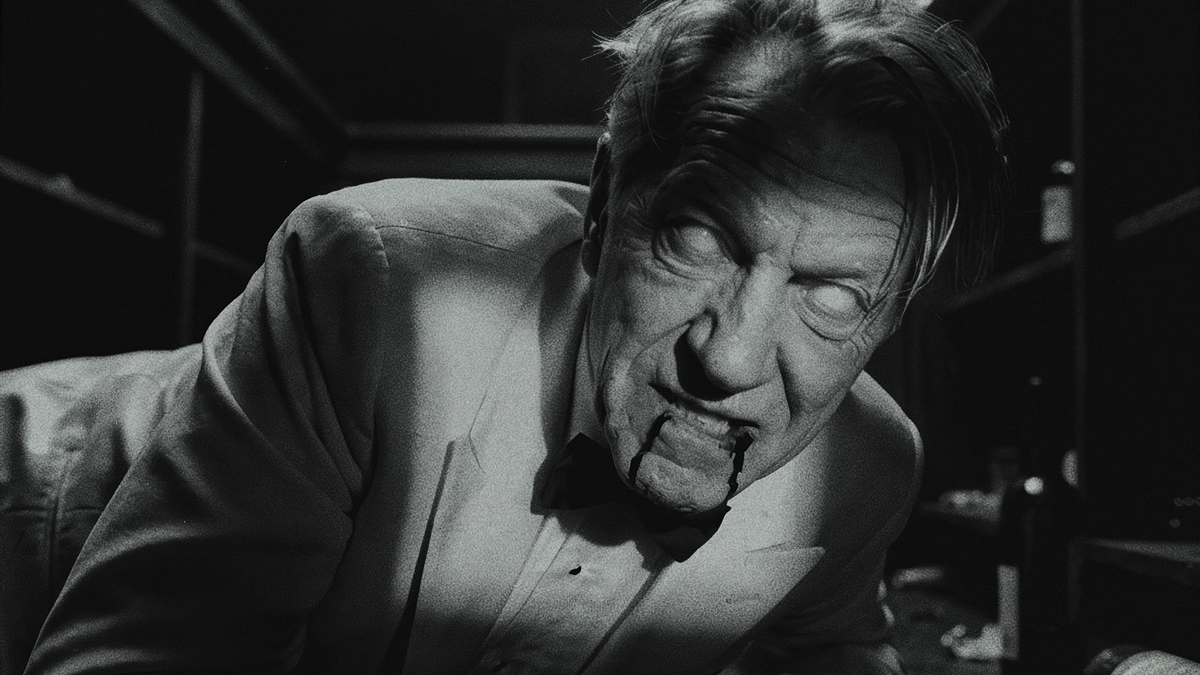
For Infrarouge, editing was where the generated material became a film. An image might be cut, slowed, damaged or held longer according to what it made the viewer feel. The artist is clear about the distinction. “The machine can generate an image, but it cannot recognize a wound,” says Infrarouge.
MikeTeevee’s VFX + creative team: Grief made literal
BLUR Photo Credit: You-Wei Chen
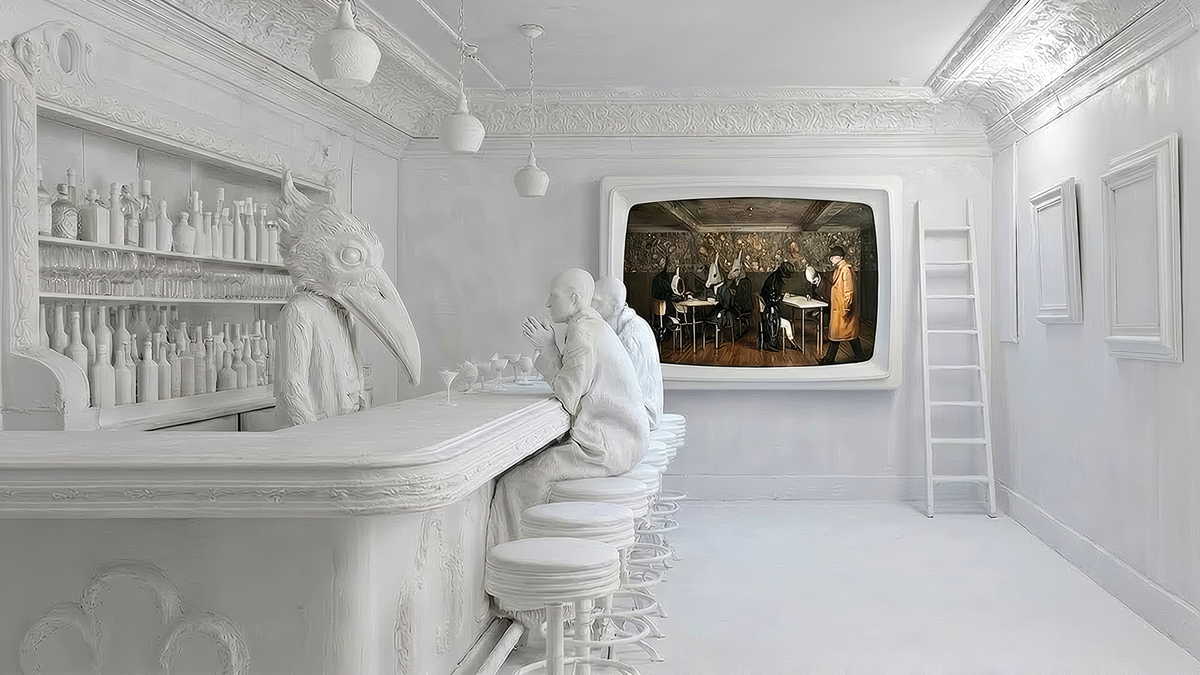
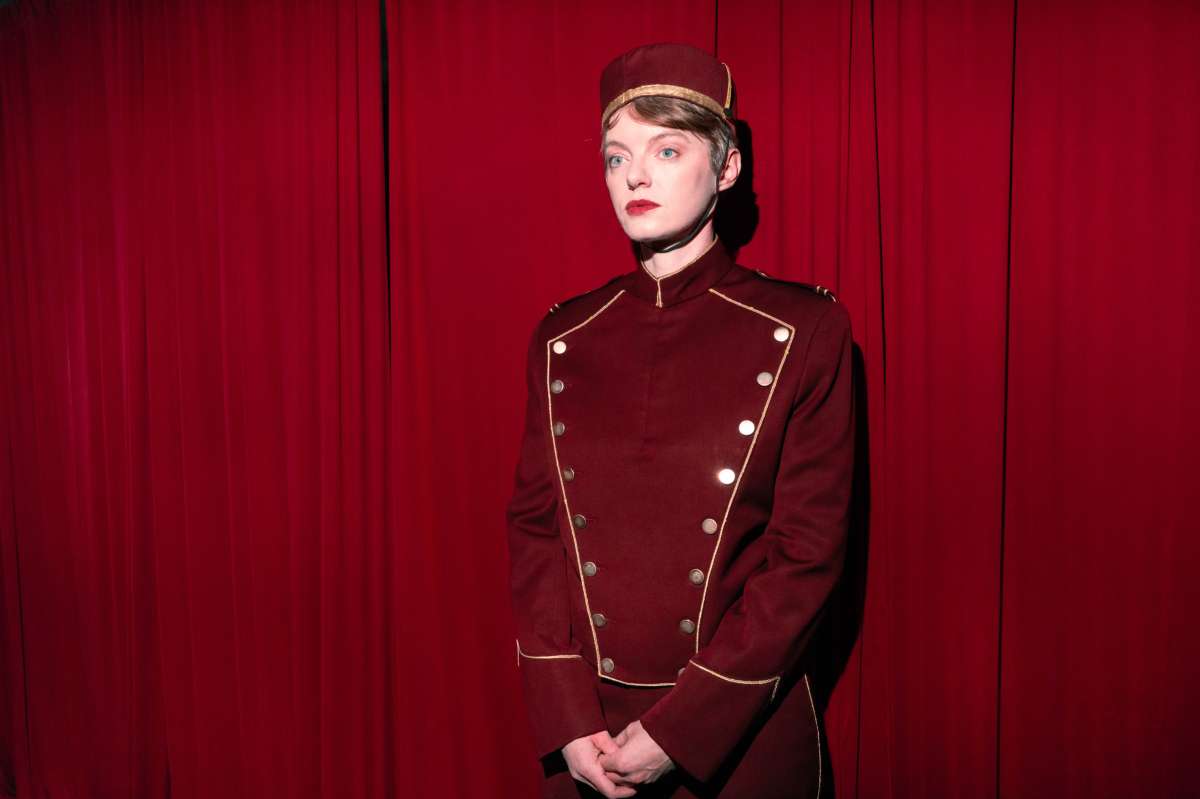
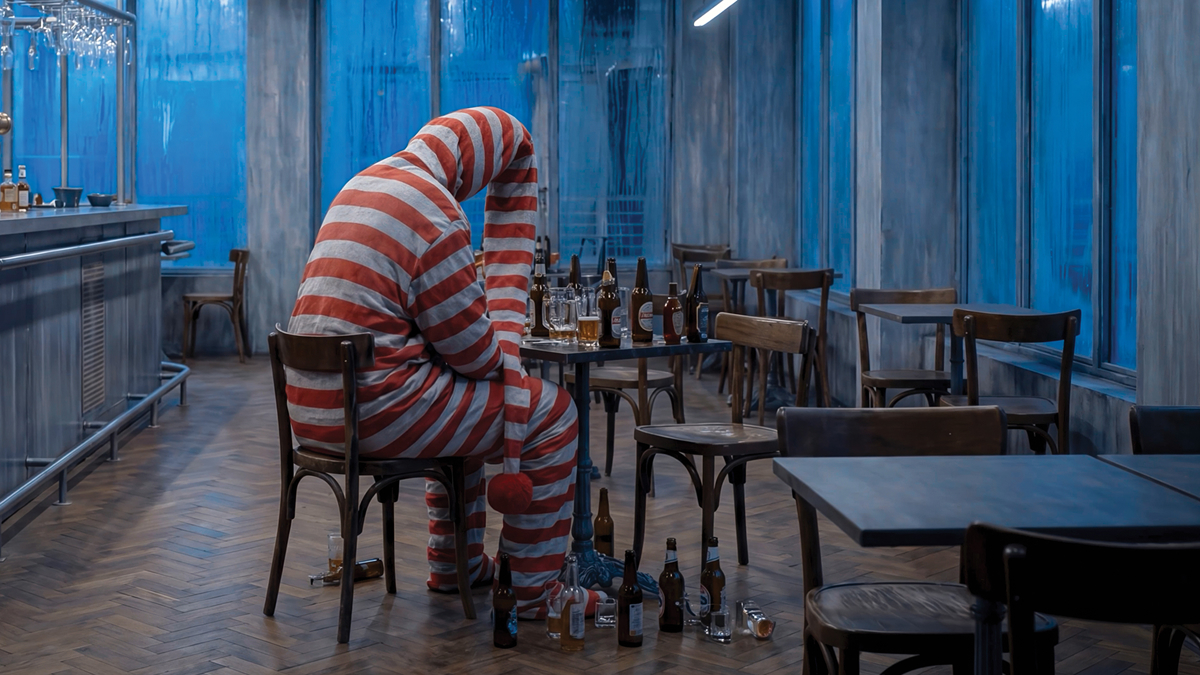
MikeTeevee’s VFX and creative team made the eighth film, Crow Bar. They turned the scene into a surreal music video set in an afterlife bar. The Lieutenant walks in carrying his own rain cloud, while nobody around him finds it remarkable. His drinking floods the space; the Grim Reaper offers consolation. Christian Holland says their guiding idea was to treat these impossible events as entirely ordinary. "Everything the script keeps vague, we made physical. His grief is weather, his drinking floods the room, and death is just a guy at the end of the bar who buys you a drink."
That tone demanded considerable control. The team planned its characters, setting and visual style, then generated individual elements rather than relying on successive AI edits to preserve them. Much of the film was assembled by hand in Photoshop, After Effects and Premiere. “Restraint isn’t something you can prompt for,” Holland says. The work involved rejecting effects and details that were impressive in themselves but wrong for the film.
The eight artists did not simply select different looks for the same scene. They disagreed about where its story lived. For Gizem Akdağ and Ege Berkina Akdağ, it lay in events before the Lieutenant reached the bar. For Pell, it lay in his response to judgment. DoopiiDoo found that supplying a backstory would sacrifice the feeling that made the scene compelling in the first place. Those differences are visible in what each artist asked AI to help make, what each kept from its unexpected results and what each refused.