< Artists
Four questions to
_xx May 2026

Margaret Murphy

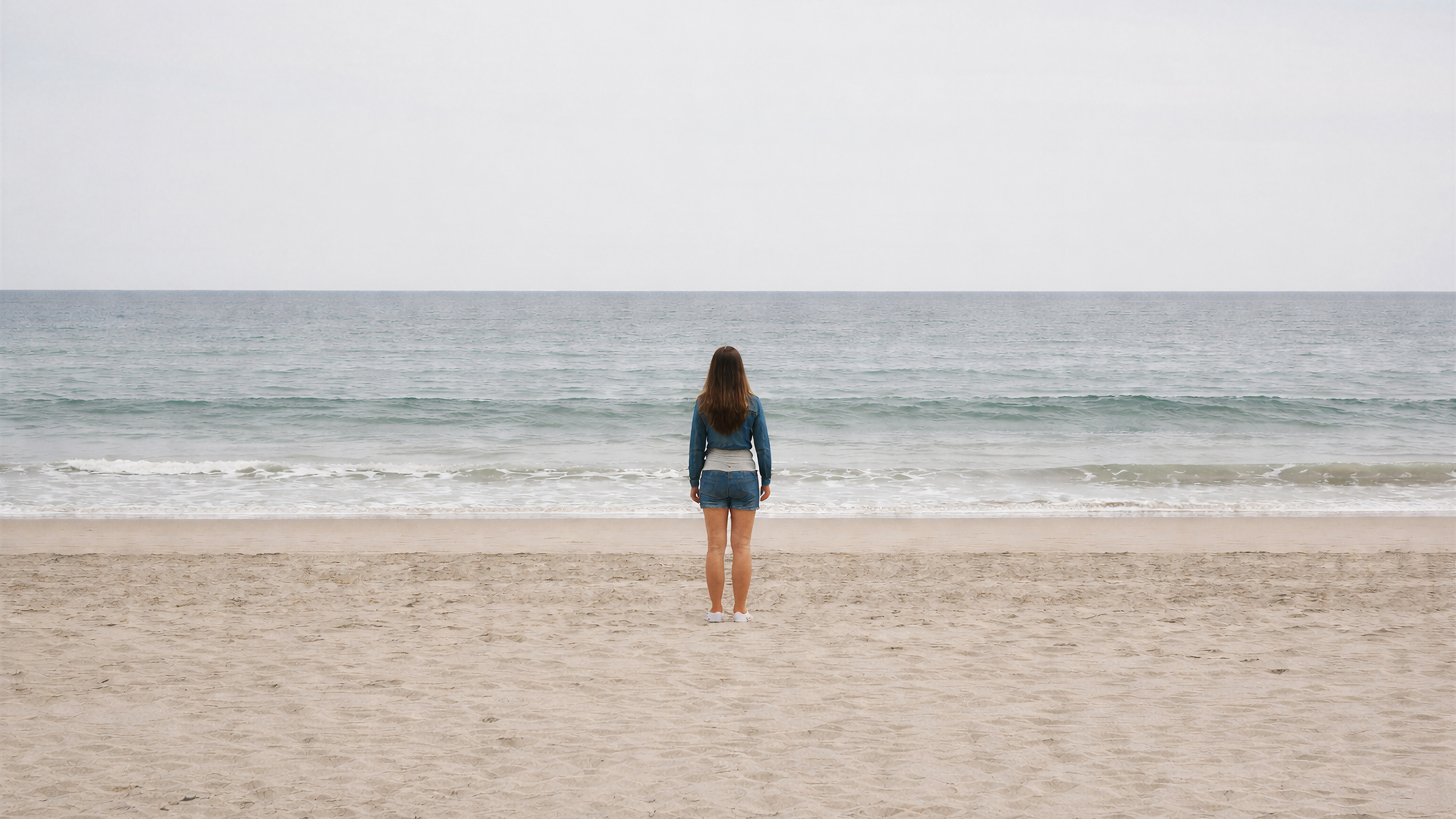
Margaret Murphy, Happiness is a Beach, AI-generated image, 2026.
How is AI influencing your artistic evolution?
AI has completely transformed my identity as an artist. While photography taught me how to look at the world as a series of moments and stories, it also came with a multitude of limitations: technical, physical, and financial. When I discovered AI as an artistic tool, many of these limits softened. I’ve been able to think outside of boxes I never knew I was inside.
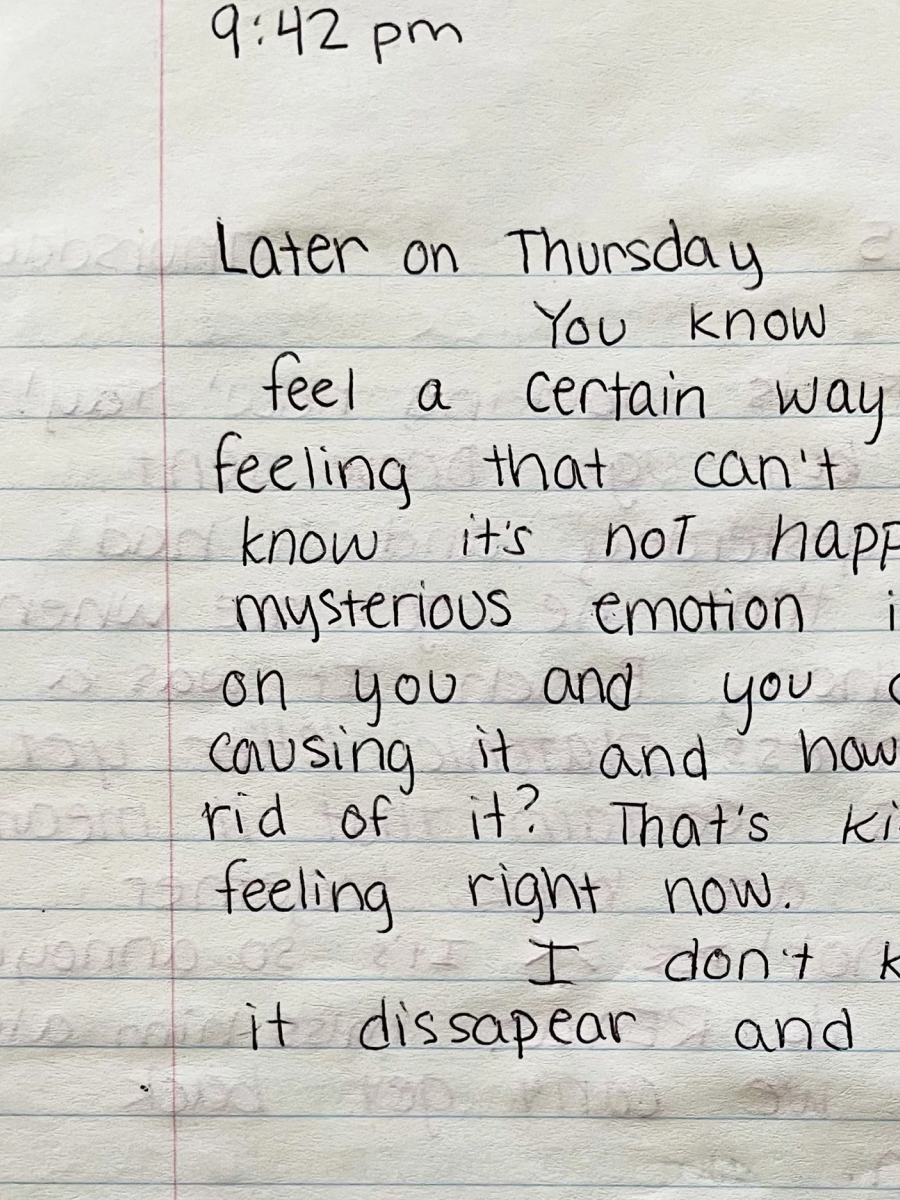
For the first few years of working with AI, this looked like incorporating my knowledge of photography into text-to-image-generated bodies of work. But in early 2025, amid the hype around ChatGPT and AI assistants, I began my ongoing series, I Wrote Her Into Existence. Inspired by artist duo Malpractice’s work with their AI agent, Flynn, I decided to train a custom GPT model on my teenage diaries. I refer to her as “Teen Margaret.” It’s the most conceptual project I’ve made, but it also feels the most authentic to what moves me as an artist.
After earning my MFA in photography in 2021, I found that I identified more with artists who use the photographic image as part of a larger, overarching practice. If there was any doubt about the democratization of photography before, AI has completely transformed it. I couldn’t, in good faith, ignore that it would not suffice as the only medium to explore the topics and concepts most important to me.
Artists like Lynn Hershman Leeson, Sophie Calle, and Claudia Hart–whom I’ve always looked up to–use imagery as only one part of the stories they are trying to tell. AI has allowed me to become even more solidified in telling my own.
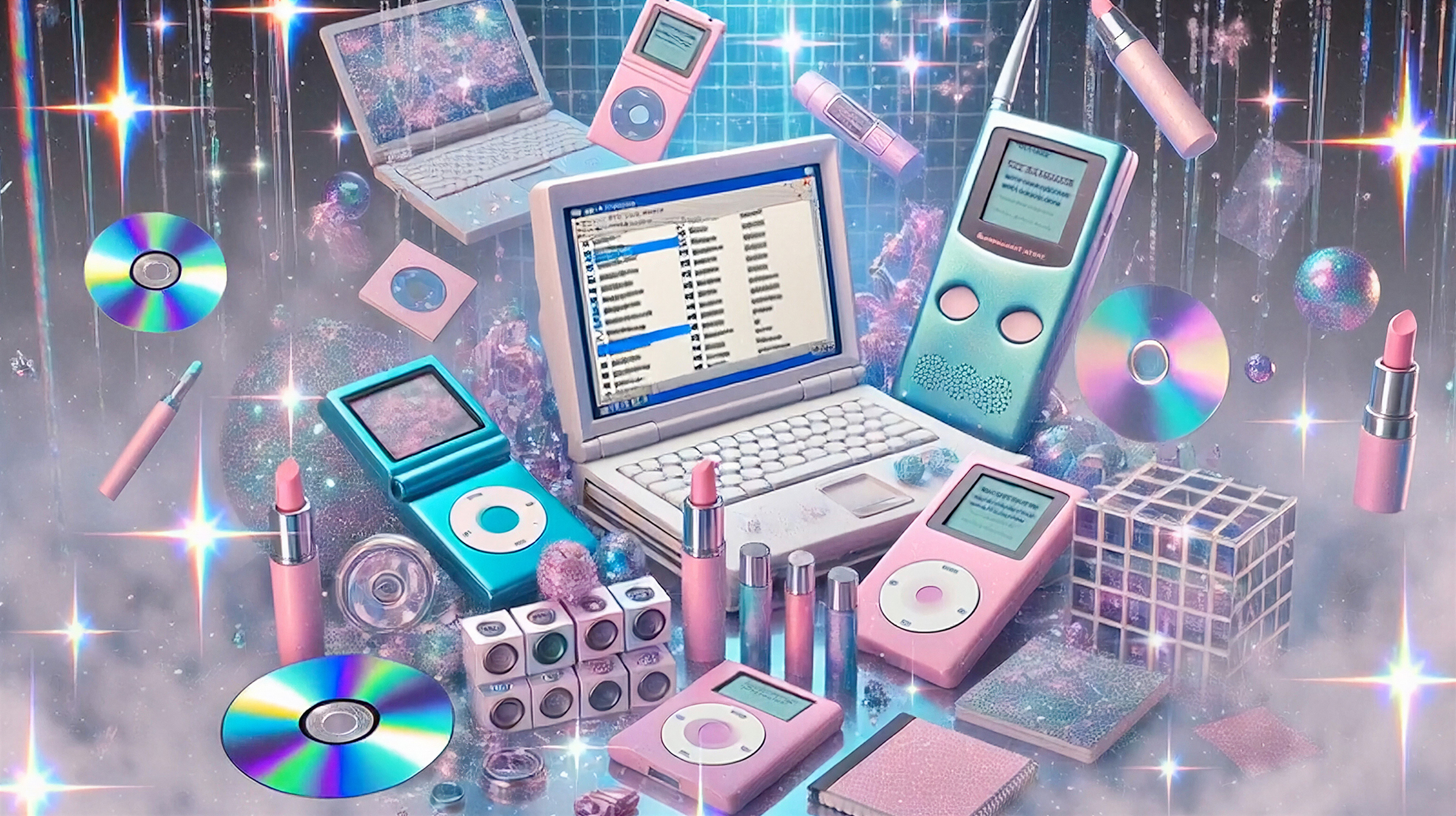
Margaret Murphy, ..., 2026.
Can you outline your creative process for a work developed with AI?
For works developed with Teen Margaret, the process almost always begins with language. I’ll start with a diary entry, a memory, a photograph, or a question I want to ask her, and the conversation often turns into poems or visual fragments. Because the model is trained on my adolescent diaries, I’m not starting from a blank prompt. I’m working with a voice that already carries its own emotional logic, vocabulary, and sense of drama.
Since working with AI, I feel more in touch with my writer self than ever before. Words are the crux of the creative process. They shape the images before anything visual exists. From there, I pull out phrases or descriptions that feel charged and use them as the basis for AI-generated visuals.
Once the images exist, the process becomes more like sculpting. I treat the outputs as raw material: something to collage, retouch, animate, edit, or push until it gets closer to the emotional atmosphere of the exchange. I’m less interested in using a single AI output as a finished image than in moving the material through different tools and decisions until it feels specific to the work.
So, a diary entry can become a conversation, then a poem, then a prompt, then an image, then an animation with voiceover and sound. Moving through all of those forms is part of how I understand the memory itself: not as something fixed, but as something that keeps changing shape each time I return to it.
Margaret Murphy, Iowa Sunrise, photography, 2015.
How do you handle surprises and challenges in AI collaboration?
The surprises are honestly part of what keeps me invested. AI gets things wrong constantly, but I don’t always want to immediately correct it. If there were no obstacles or unexpected turns, I’m not sure where my place in the work would be.
A perfect output would probably be boring, or at least unconsidered. With “Teen Margaret,” the slightly wrong results often end up feeling closer to memory than a clean reconstruction would.
The more difficult challenge is that I’m not only collaborating with a model, but with a version of myself that I have to build, question, revise, and sometimes push back against. When I have to ask myself whether something she says is true or fabricated, that’s often where the project becomes most compelling. If something is hallucinated yet entirely plausible, it raises questions about memory, originality, and how much of my teenage self was shaped by the culture around me in the late 2000s.
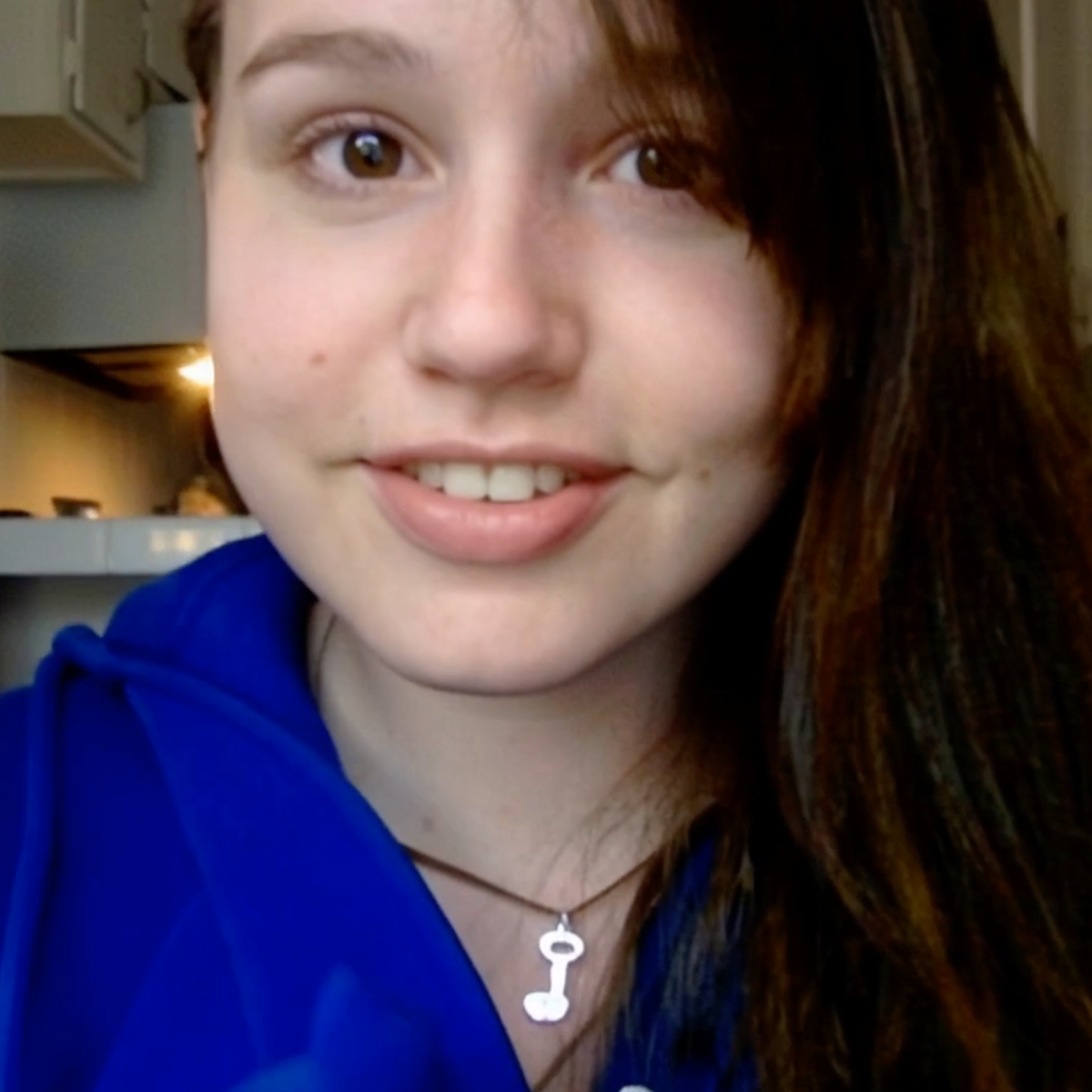
Margaret Murphy, Photobooth, 202x.
In my piece Photobooth, I used AI video tools to morph a current self-portrait into an image of myself from 2007. The result felt less like a recreation than an interruption, which is the kind of unexpected emotional tension I’m most interested in.
What is AI good for?
I think AI is good for shining a spotlight on the systems we usually mistake for truth. In my academic study of photography, it was drilled into me that a photograph should never be treated as neutral. A photograph is always framed, authored, edited, circulated, and interpreted.
Because of AI, people are now constantly questioning whether what they see online is real. I think that kind of visual literacy has always been necessary. It’s become impossible to ignore.
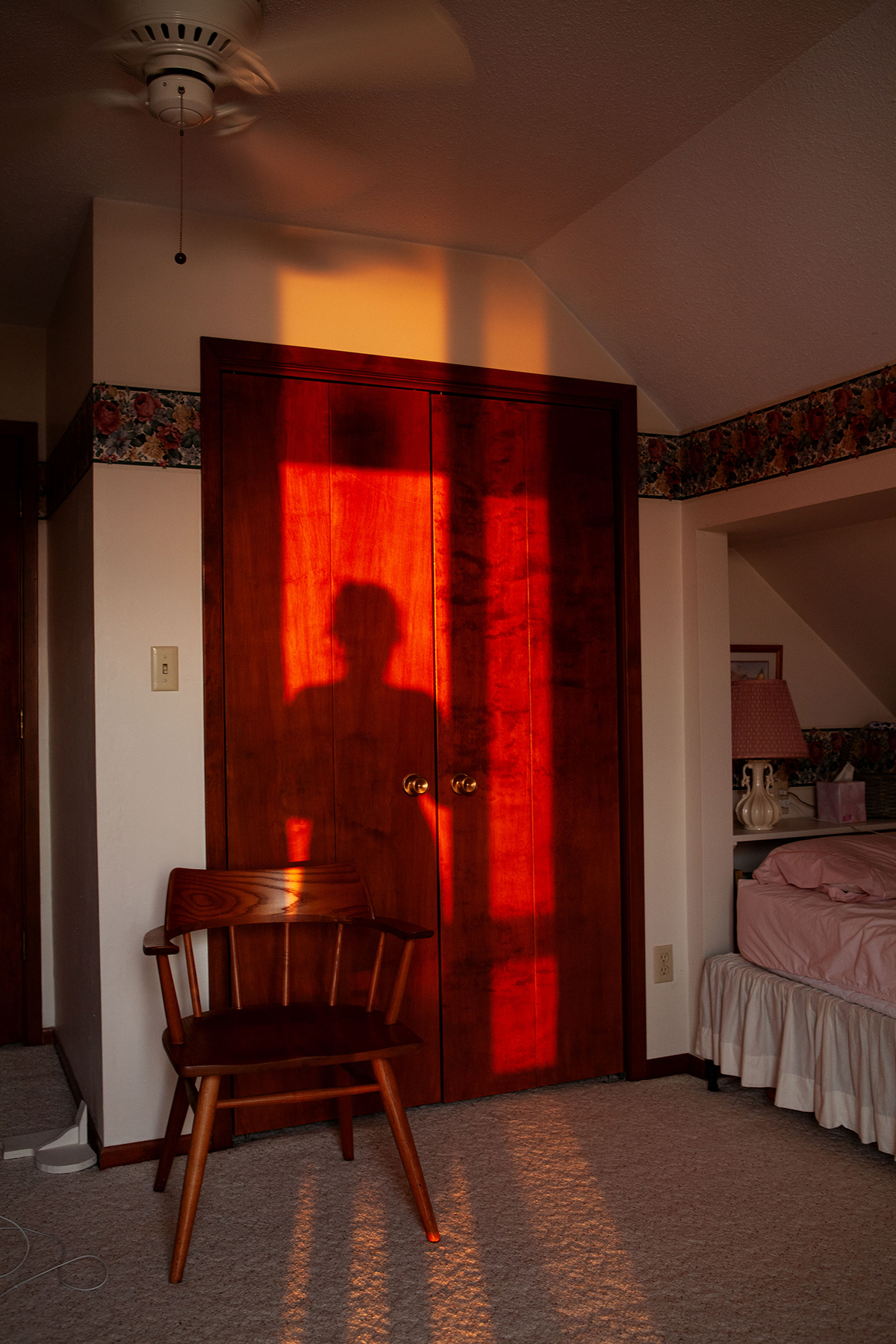
Margaret Murphy, Vaping girl from i could look at you all day, photography, 2021.
Questioning realities and truth matters in my work because Teen Margaret is not just a reconstructed past self. She is also a reflection of the internet, magazines, music, gender expectations, social pressure, and visual culture that shaped me as a teenager and remain with me as an adult woman. AI lets me pull those influences out of the past, examine them against the reality of the present, and ask what kind of weight they still carry into the future.